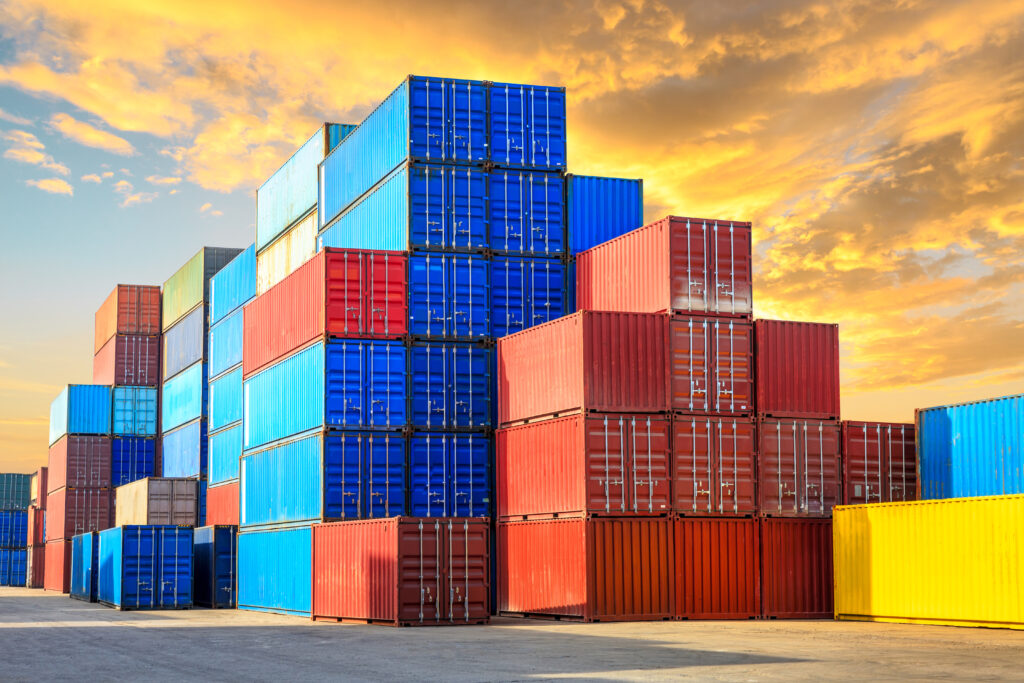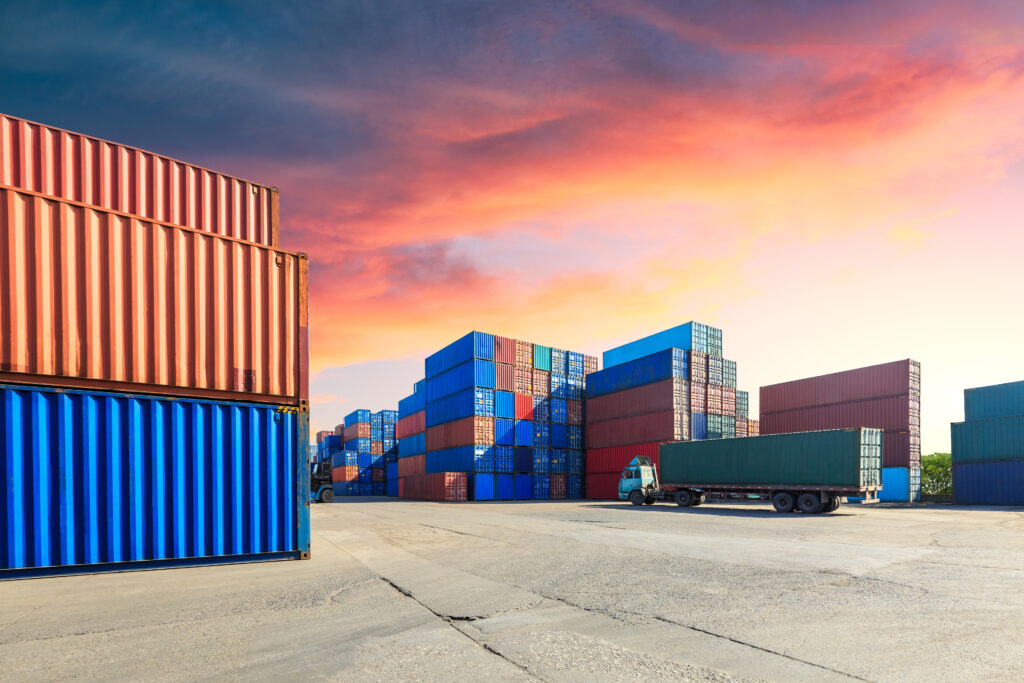
Drayage, the short-distance movement of containers from ports to nearby warehouses, rail yards, or distribution centers, is often overlooked, misunderstood, or treated as an afterthought. But here’s the truth: Drayage is the pizza delivery driver of your supply chain. It doesn’t matter how perfect the pizza is… if nobody delivers it, you’re not eating dinner tonight. This same idea applies to your port strategy. Without strong drayage support, the whole plan falls apart — fast.
Drayage: The “First Bite” of Your Supply Chain
Just like a delivery driver moves your pizza from the restaurant to your doorstep, drayage moves your container from the port to its next stop — usually a warehouse, rail ramp, or distribution center.
This short trip is essential. According to logistics sources, drayage serves as the bridge between long‑haul ocean or rail transport and local distribution, connecting ports to warehouses and keeping goods flowing efficiently.
In other words, even though drayage covers only a few miles, it connects everything. Without it, containers just… sit. And sit. And sit.
That’s like ordering a pizza and watching it cool on the counter at the restaurant. Useless.
Why Your Port Strategy Breaks Without Drayage Support
1. Containers Pile Up Like Unclaimed Orders
Ports are busy. Congestion happens. And if containers aren’t moved out quickly, delays ripple through the entire supply chain. Studies show that without an efficient solution, bottlenecks grow, demurrage fees skyrocket, and warehouse schedules fall apart.
Think of this as the pizza place getting swamped because no one is picking up orders. Chaos builds. Tempers rise. Everyone suffers.
2. Warehouse Operations Get Out of Sync
When drayage isn’t aligned with warehouse intake, trucks show up at the wrong times, storage space gets overwhelmed, and unloading schedules fall apart. Timing is critical — even minor delays can disrupt rail schedules and clog downstream operations.
It’s like having 15 pizzas delivered at midnight and none during dinner hour. Wrong timing = disaster.
3. Costs Go Up Faster Than Pizza Delivery Fees
Port congestion, extended turn times, chassis shortages, and appointment windows can all increase drayage costs. And when not planned strategically, detention, per diem, and storage fees pile up quickly.
The lesson? Ignoring drayage is like ignoring delivery fees — they’ll get you eventually.
4. The Whole Supply Chain Slows Down
If drayage doesn’t move, nothing moves. Drayage is the first or last mile of intermodal shipping, and delays here disrupt all other transportation segments — rail, truckload, warehouse intake, and distribution.
It’s the equivalent of the pizza delivery driver stopping for a long break between the restaurant and your house. Your dinner plans? Ruined.
It’s Not Just a Driver — It’s Your Supply Chain’s Secret Weapon
Even though drayage may seem small, its benefits are enormous.
It speeds up your port‑to‑warehouse flow.
Drayage keeps containers moving quickly from terminals to their next destination, preventing bottlenecks.
It reduces costly delays and penalties.
Efficient drayage helps you avoid demurrage, detention, and per diem fees.
It boosts inventory availability.
By keeping cargo flowing, drayage supports just‑in‑time operations and improves stock positioning.
It strengthens intermodal transportation.
Drayage is the connector — the essential handoff between trucks, trains, and ships. Without it, intermodal simply cannot function.
That’s why calling drayage “just a truck move” is like calling pizza delivery “just bringing food over.”
It completely misses the point.
What Great Drayage Support Looks Like (AKA: Your Best Delivery Driver)
A strong drayage strategy includes:
- Precise scheduling
- Knowledge of port operations
- Real-time tracking
- Tight coordination with warehouses
- Access to chassis and equipment
- Experienced, credentialed drivers
- Ability to avoid congestion and penalties
This is the logistics version of a driver who knows the shortcuts, parks smartly, keeps the pizza hot, and rings your doorbell with perfect timing.
That’s the person you tip generously. And that’s the partner your supply chain deserves.
Final Slice: Your Port Strategy Needs Its Delivery Driver
Here’s the bottom line:
- Your ocean carrier isn’t the problem.
- Your warehouse isn’t the problem.
- Your long‑haul trucking isn’t the problem.
Your missing link is drayage.
It’s the delivery driver of your port strategy—the critical connector that ensures every other part of your network can actually do its job.
When drayage runs smoothly, everything moves faster, cleaner, and more predictably.
When it breaks down, nothing else matters.
That’s where PITT OHIO comes in.
We bring reliability, visibility, and precision to the one segment that can make or break your entire freight flow. Because it doesn’t matter how perfect the rest of your plan is if your freight is still sitting at the port.
So ask yourself:
Is your cargo being delivered… or getting cold waiting on the dock?