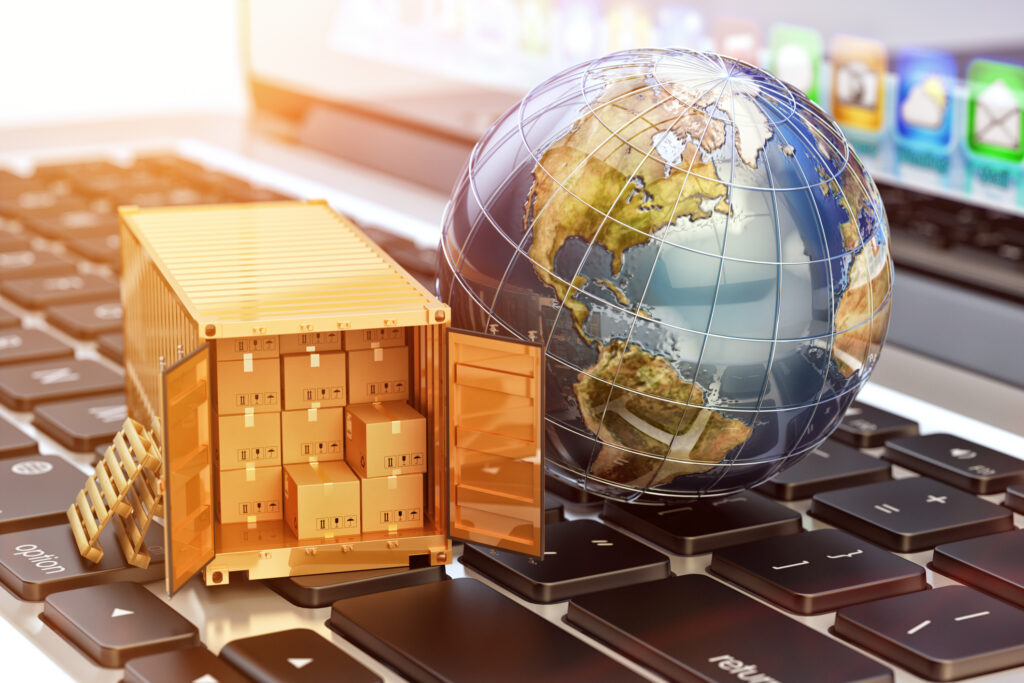
E-commerce has permanently changed how the world shops. With a few clicks, products now move from factories overseas to front doors across the United States. Behind every online order is a complex international shipping network working faster and smarter than ever before. For importers and exporters, understanding how e-commerce is reshaping global freight is no longer optional. It is essential.
Let us take a closer look at how this digital buying boom is transforming international shipping and what it means for your supply chain.
Faster Buying Means Faster Shipping
Traditional international shipping was designed around bulk orders and long lead times. However, e-commerce flipped that model. Consumers expect speed, visibility, and reliability whether a product is shipping from across the state or across an ocean.
As a result, importers are moving away from infrequent large shipments and toward more frequent container loads. This shift places pressure on ports like New York New Jersey, Norfolk, Baltimore, and Savannah to process higher container volumes with tighter delivery timelines. Inland networks across Pennsylvania, Ohio, and Illinois also feel the impact as freight moves quickly toward distribution centers near major population hubs.
Smaller Orders Create Bigger Complexity
Meanwhile, e-commerce has changed not just how fast goods move but how they move. Instead of shipping palletized freight to a single retailer, importers often break containers down into smaller shipments destined for fulfillment centers throughout the Midwest and Mid Atlantic.
This has increased demand for transloading, drayage, and flexible inland transportation strategies. Containers arrive at port, are unloaded, and quickly reloaded onto regional truck and rail networks serving markets like Pittsburgh, Columbus, Chicago, and Cleveland. Each step requires precise coordination to avoid delays and added costs.
Visibility Is No Longer a Nice to Have
In the past, international shipments could disappear for weeks once they left the origin port. E-commerce does not allow for that mystery anymore. Today, importers and exporters expect real-time updates on container location, port status, and final delivery timing.
Technology now plays a central role. Shipment tracking systems, digital documentation, and proactive exception management help businesses stay ahead of disruptions. This is especially critical when moving high volume e commerce freight through busy ports along the East Coast or inland rail ramps feeding Midwestern distribution centers.
Ports and Infrastructure Are Adapting
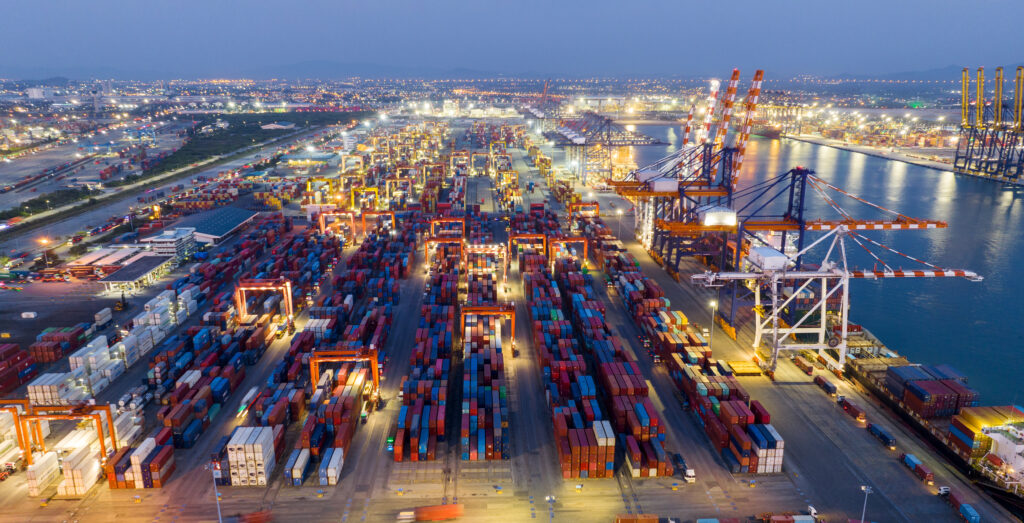
Because of e-commerce growth, ports and inland terminals are investing heavily in automation and capacity improvements. Gate systems move trucks through terminals faster. Appointment scheduling reduces congestion. Expanded rail access helps containers flow inland more efficiently.
Still, even with improvements, congestion remains a risk during peak seasons. Importers shipping e-commerce freight must plan ahead and work closely with logistics partners like PITT OHIO who understand local port dynamics and inland capacity across key trade lanes.
The Rise of Returns and Reverse Logistics
Another often overlooked impact of e-commerce is returns. International shipping strategies now account not only for inbound freight but also for the cost and complexity of reverse logistics.
Returned goods may be restocked, redirected, or shipped back overseas. Each option carries cost implications. Savvy importers build freight strategies that consider the full lifecycle of e commerce inventory, not just the initial shipment.
What This Means for Importers and Exporters
Ultimately, e-commerce has raised the bar for international shipping. Speed, flexibility, and visibility are now table stakes. Businesses that adapt by diversifying ports, optimizing inland transportation, and partnering with experienced providers gain a competitive advantage.
From ports on the East Coast to distribution centers throughout the Midwest, the ripple effects of e-commerce continue to reshape global freight. The companies that understand and embrace these changes will be the ones that move faster, smarter, and more profitably.