Supply chains must be agile, efficient, and resilient. One of the most critical yet often overlooked components enabling this flexibility is transloading. As companies seek to optimize costs and improve delivery times, transloading services have become a strategic asset in modern intermodal logistics.
What Is Transloading?
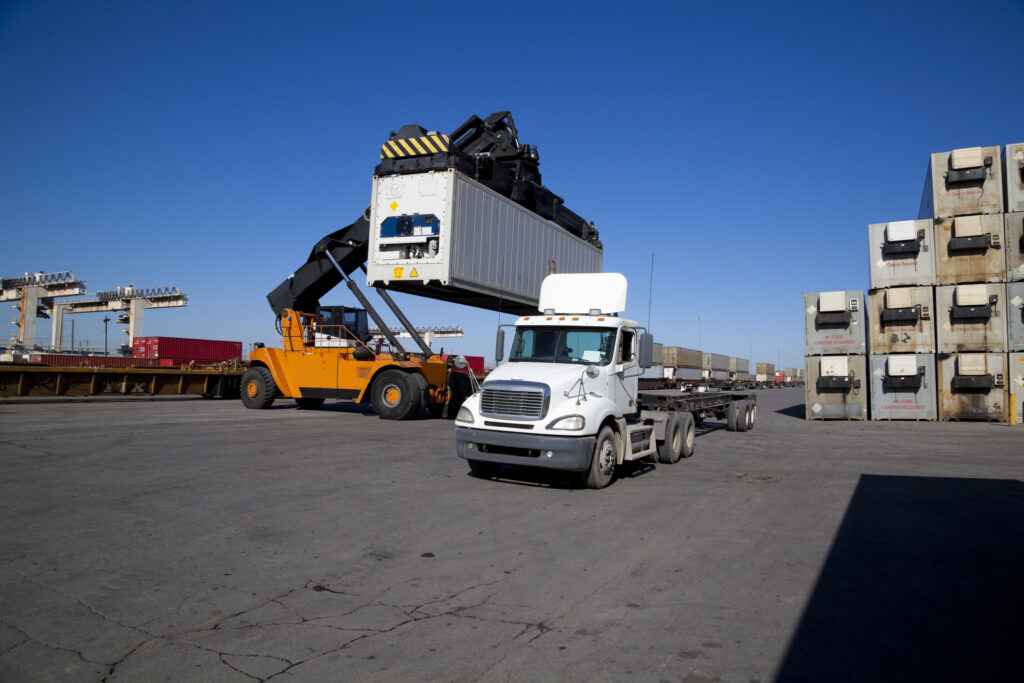
Transloading is the process of transferring freight from one mode of transportation to another — for example, from a container ship to a railcar, or from rail to truck. This process typically occurs at specialized facilities near ports, rail terminals, or distribution hubs. Unlike simple cross-docking, transloading may involve breaking down shipments, repackaging, or consolidating goods to better suit the next leg of the journey.
Why Transloading Matters
- Cost Optimization
Transloading allows shippers to take advantage of the most cost-effective transportation modes for each segment of a shipment’s route. For instance, long-haul rail is often cheaper than trucking, while trucks offer flexibility for final-mile delivery. By combining both, companies can reduce overall freight spend. - Improved Transit Times
In congested port areas or during peak shipping seasons, transloading can help bypass bottlenecks. Freight can be quickly offloaded and moved inland via rail or truck, reducing dwell time and accelerating delivery to end customers. - Enhanced Supply Chain Flexibility
Transloading enables shippers to adapt to disruptions — whether due to weather, labor strikes, or capacity shortages. It also supports dynamic routing, allowing freight to be redirected mid-transit based on demand or inventory needs. - Better Inventory Management
By consolidating or deconsolidating shipments at transload facilities, companies can align inventory with regional demand. This is especially valuable for retailers and e-commerce businesses managing omnichannel fulfillment.
Transloading and Intermodal Logistics
Transloading is a cornerstone of intermodal logistics, which involves moving goods using multiple transportation modes under a single bill of lading. Intermodal strategies rely on seamless freight transfer between ships, trains, and trucks — and transloading makes that possible.
For example, a shipment from Asia might arrive at the Port of Los Angeles, be transloaded onto a railcar bound for Chicago, and then transferred to a truck for final delivery in Pittsburgh. Each transfer point is an opportunity to optimize the route, reduce costs, and improve service levels.
Choosing the Right Transloading Partner
Not all transloading services are created equal. When evaluating providers, consider:
- Location: Proximity to ports, rail terminals, and major highways
- Capabilities: Equipment for handling various cargo types (e.g., bulk, palletized, oversized)
- Technology: Real-time tracking and inventory visibility
- Experience: Proven expertise in managing complex freight transfer operations
As supply chains grow more complex and customer expectations rise, transloading is no longer just a tactical solution — it’s a strategic advantage because having flexible logistics can help your business grow. Transloading is a key part of making your supply chain more efficient and successful. Don’t let old shipping methods slow you down—choose transloading to keep up with new demands. Talk to a reliable transloading partner like PITT OHIO and see how better logistics can boost your business and give you a real advantage.