Speed and efficiency are key drivers in the logistics industry. However, when it comes to streamlining freight movement, two strategies often get mixed up: transloading and cross-docking. Although these logistics solutions may seem alike at first glance, they actually serve distinct purposes. Selecting the wrong approach could impact your business by increasing costs, causing delays, and affecting customer satisfaction. Let’s take a closer look at transloading vs. cross-docking and more importantly, which option fits best with your supply chain needs?
What Is Transloading?
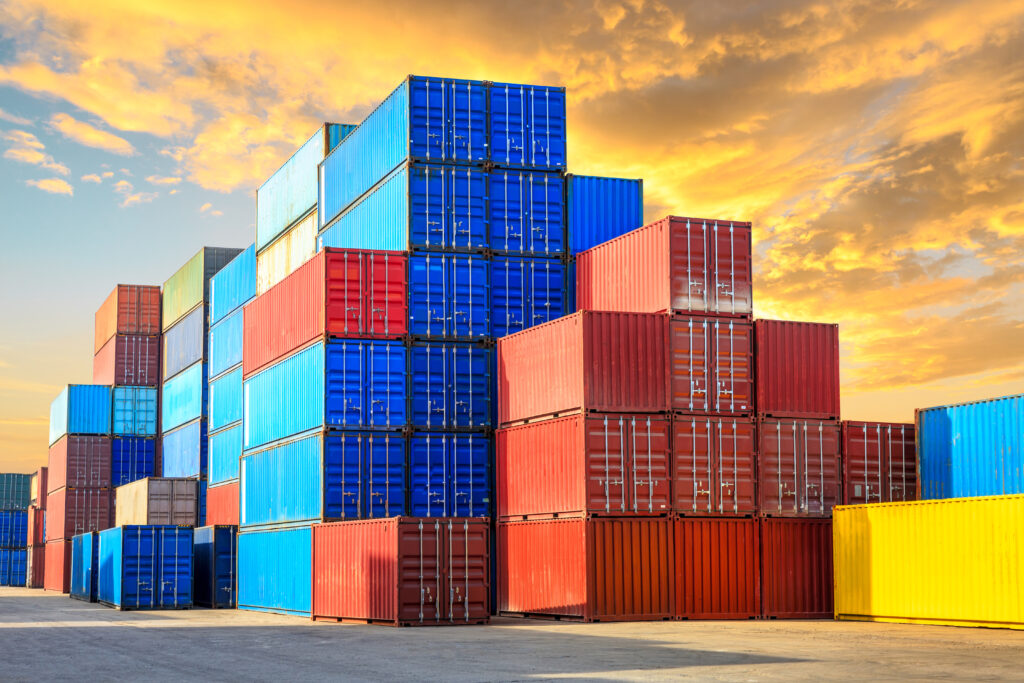
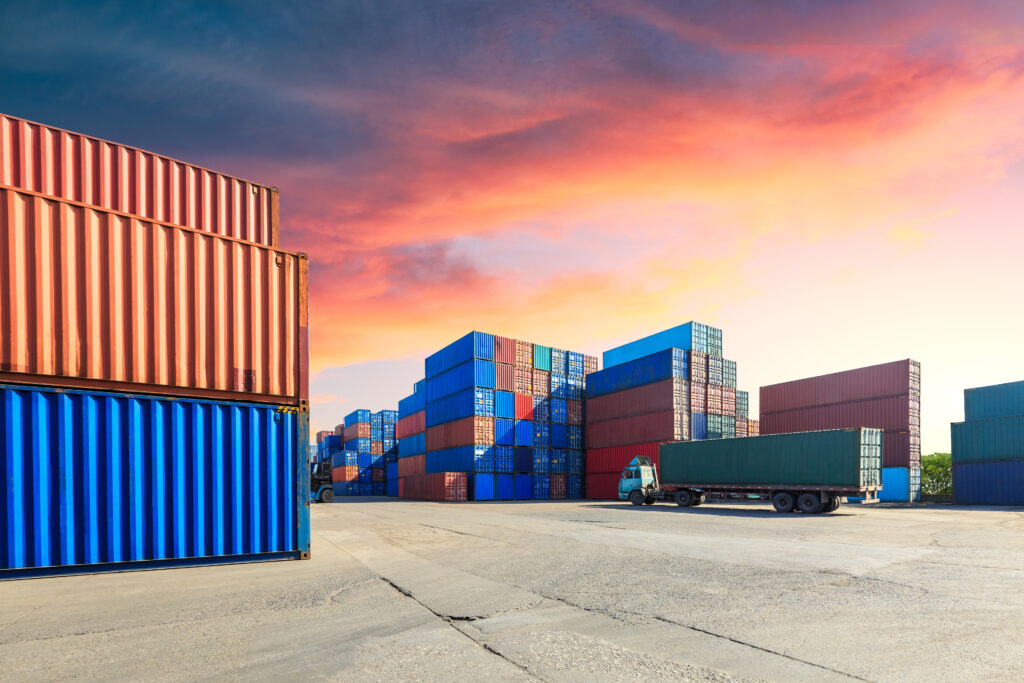
Transloading is the process of transferring freight from one mode of transportation to another. It’s commonly used in international and long-haul shipping, where goods might arrive by rail or ocean container and then be moved to a truck for final delivery. Unlike cross-docking, transloading often involves the possibility of temporary storage at the transfer facility. This means that goods may be held for a short period before being loaded onto the next mode of transport, allowing for added flexibility in coordinating shipments and managing logistics flows. For example, a shipment of electronics might arrive at a port in a 40-foot container, be unloaded at a warehouse facility, and then reloaded onto multiple trucks for regional distribution. Transloading can accommodate pauses in movement, while cross-docking is typically focused on immediate transfer without storage.
Key benefits of transloading:
- Reduces shipping costs by optimizing mode selection
- Increases flexibility in routing and delivery
- Ideal for long-distance or intermodal freight
What Is Cross-Docking?
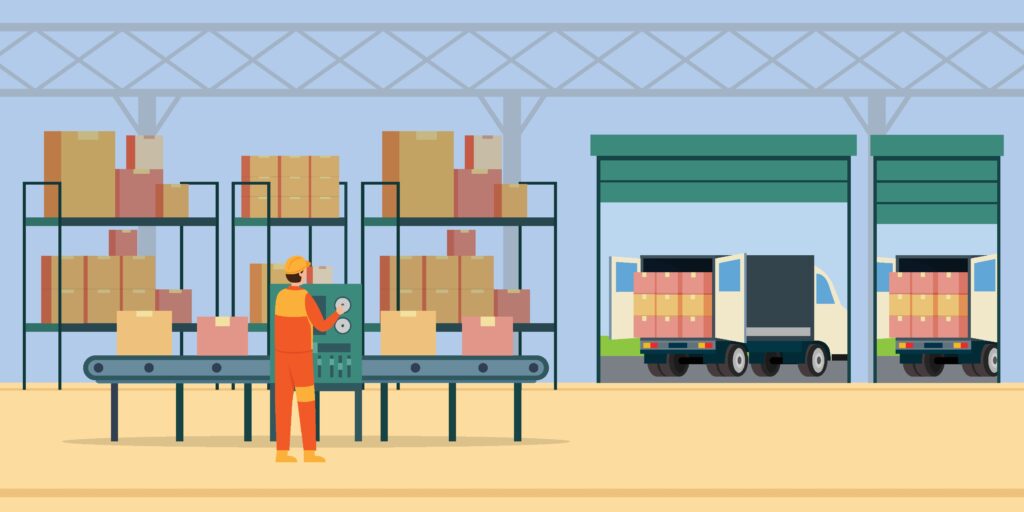
Cross-docking, on the other hand, is all about speed. In this model, products arrive at a distribution center and are immediately sorted and loaded onto outbound trucks—often without ever being stored.
Think of it as a relay race: inbound shipments are handed off to outbound carriers with minimal delay.
Key benefits of cross-docking:
- Minimizes storage and handling costs
- Reduces delivery times
- Ideal for high-volume, time-sensitive goods
Transloading vs. Cross-Docking: The Core Differences
| Feature | Transloading | Cross-Docking |
| Purpose | Mode transfer | Rapid redistribution |
| Storage | Temporary holding possible | Minimal to none |
| Use Case | Long-haul, intermodal freight | Just-in-time delivery |
| Speed | Moderate | Very fast |
| Cost Focus | Transportation savings | Inventory and labor savings |
Why It Matters for Logistics Decision-Makers
Choosing between transloading and cross-docking isn’t just a tactical decision—it’s a strategic one. The right approach can:
- Improve delivery performance
- Lower total landed costs
- Enhance customer satisfaction
- Increase supply chain agility
If your business relies on international imports, rail-to-truck transfersv, or multi-modal logistics, transloading may be your best bet. But if you’re focused on speed-to-shelf, retail replenishment, or e-commerce fulfillment, cross-docking could be the game-changer.
Understanding transloading vs. cross-docking is essential for optimizing your supply chain. Each has its place, and the right choice depends on your freight profile, delivery timelines, and cost structure.
Before you make your next logistics move, contact PITT OHIO and we’ll help you determine if you’re moving freight the smartest way possible?