Regional distribution networks are changing rapidly, and intermodal logistics is driving this transformation. For mid-sized businesses, combining rail, truck, and ocean transport isn’t just smart—it’s essential for scaling up efficiently. Instead of relying on one costly shipping method, intermodal logistics lets you mix and match modes for greater reach, faster deliveries, and significant cost savings. It’s the key to beating congestion, avoiding driver shortages, and building a more resilient supply chain. Ready to upgrade your regional distribution? Intermodal logistics is your ticket to smarter, more reliable shipping.
Why Intermodal Logistics Matters Now
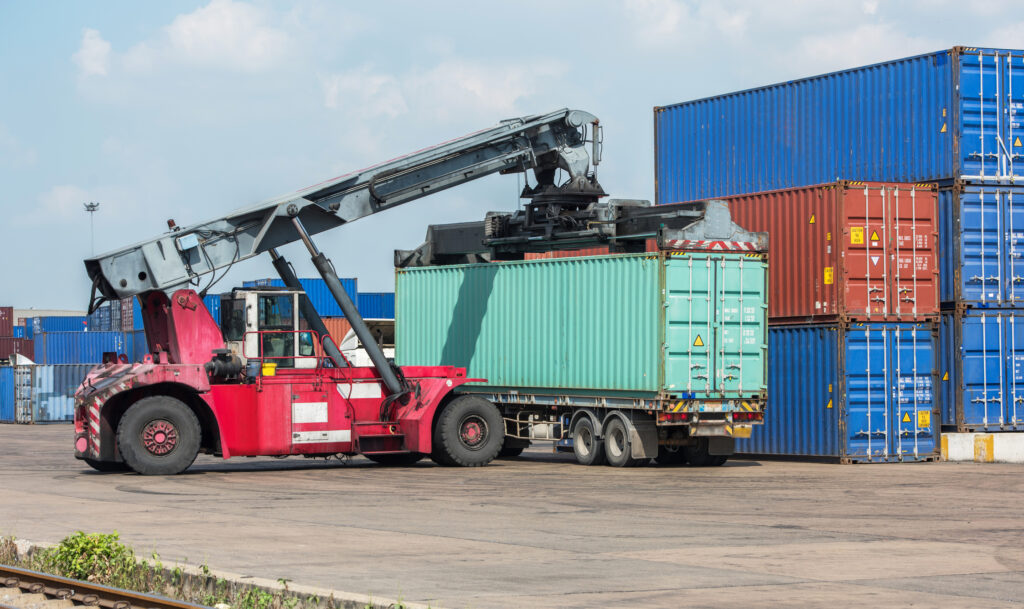
The demand for faster, more reliable regional freight solutions is skyrocketing. Traditional trucking alone often struggles with rising fuel costs, driver shortages, and congestion. Intermodal logistics solves these challenges by leveraging the strengths of each mode. Rail offers long-haul efficiency and lower carbon emissions, while trucks provide flexibility for first and last-mile delivery. Together, they create a seamless, resilient supply chain.
Driving Smarter Regional Freight Movement
Intermodal logistics optimizes routes and reduces dependency on a single mode of transport. This means fewer delays and better predictability—critical for businesses managing tight delivery windows. By shifting a portion of freight to rail, companies can cut transportation costs by up to 30% while reducing environmental impact. For regional networks, this translates into faster transit times, lower risk, and greater reliability.
Enabling Scalable Growth for Mid-Sized Businesses
Growth often comes with complexity. Mid-sized businesses face the challenge of expanding distribution without inflating costs. Intermodal logistics provides a scalable solution. Instead of investing heavily in additional trucking capacity, businesses can tap into existing rail infrastructure and intermodal hubs. This flexibility allows companies to serve new markets without sacrificing margins.
Moreover, intermodal strategies align with sustainability goals—a growing priority for customers and stakeholders. Lower emissions and reduced fuel consumption make intermodal a smart choice for businesses committed to greener operations.
Key Benefits of Intermodal Logistics
- Cost Efficiency: Lower fuel and labor costs compared to over-the-road trucking.
- Reliability: Reduced exposure to highway congestion and driver shortages.
- Scalability: Easy integration into existing regional networks for expansion.
- Sustainability: Significant reduction in carbon footprint.
Intermodal logistics isn’t just a trend—it’s a transformation. For mid-sized businesses, it offers the perfect balance of cost savings, reliability, and scalability. As regional distribution networks become more complex, intermodal solutions provide the agility needed to stay competitive.
If your business is ready to move smarter, reduce costs, and grow sustainably, now is the time to explore intermodal logistics.