When most people think about supply chain disruptions, they picture delayed shipments, inventory shortages, or rising transportation costs. However, many of these challenges can be traced back to a handful of critical trade routes, ports, and waterways that keep global commerce moving. Around the world, these strategic locations, often called global trade chokepoints, are essential to international shipping and global supply chains. When disruptions occur, the effects can ripple throughout the world, impacting transit times, freight rates, inventory planning, and customer service.
So, what are the world’s most important trade chokepoints, and why should importers and exporters pay attention?
What Are Global Trade Chokepoints?
Global trade chokepoints are narrow waterways, canals, ports, and transportation hubs where a large volume of cargo transportation passes through every day. Because so much freight moves through these locations, even a minor disruption can create significant supply chain challenges.
For companies that rely on international shipping, understanding these key gateways is an important step toward building greater supply chain resilience and reducing risk.
The Suez Canal: A Critical Link in Global Trade Shipping
One of the world’s most important trade routes is the Suez Canal, which connects the Mediterranean Sea to the Red Sea. The canal serves as a critical shortcut for freight moving between Asia and Europe, helping carriers reduce both transit times and operating costs.
In recent years, security concerns and route diversions have demonstrated how vulnerable global supply chains can be when disruptions occur in strategically important regions. When carriers alter service routes, businesses often experience longer transit times, reduced shipping capacity, and fluctuating freight rates.
The takeaway? Even events occurring thousands of miles from your facility can impact your supply chain.
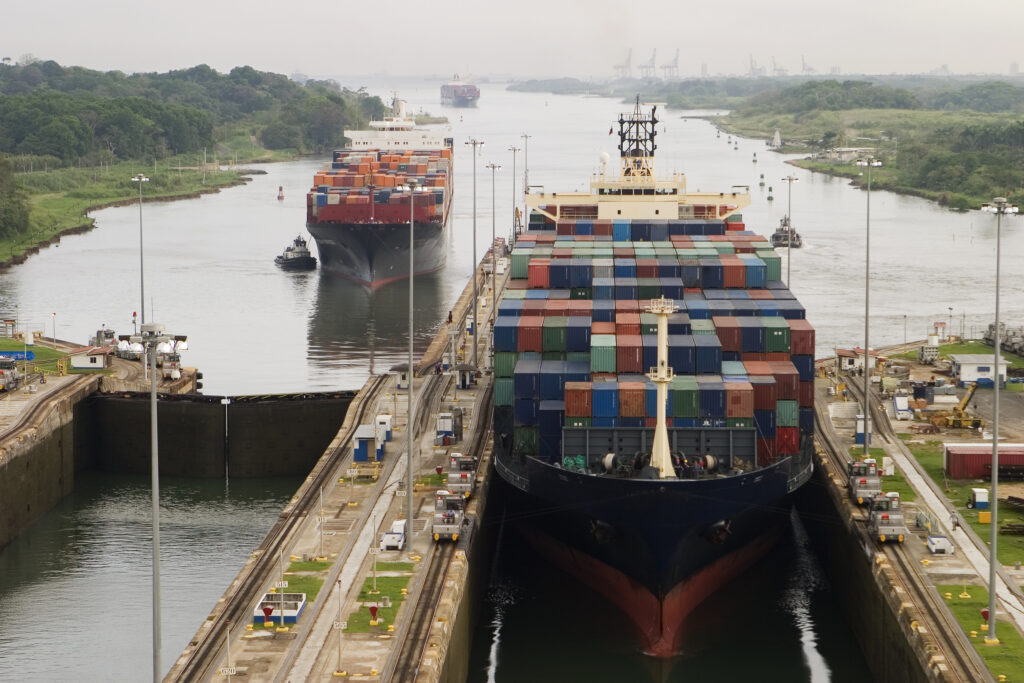
The Panama Canal: Connecting Global Trade Markets
Closer to home, the Panama Canal remains a vital gateway for cargo moving between Asia and the United States.
When vessel traffic restrictions or operational limitations affect canal transit, carriers may adjust sailing schedules, reroute shipments, or implement surcharges. As a result, businesses can face increased transportation costs and longer transit times.
For importers and exporters, maintaining flexibility and proactive inventory planning can help minimize the impact of these disruptions.
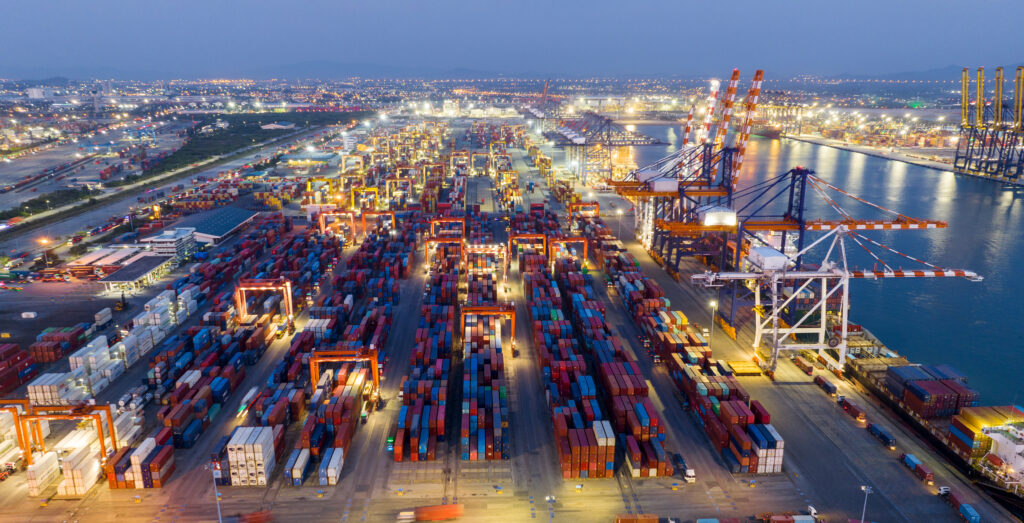
Port Congestion Creates Additional Bottlenecks in Global Trade
Even when cargo successfully navigates major canals, delays can still occur at ports.
Weather events, labor shortages, equipment availability challenges, and terminal congestion can slow the movement of goods. During peak shipping seasons, these issues often create bottlenecks that affect freight movement throughout the entire supply chain.
This is why many businesses are incorporating contingency planning into their overall logistics strategy and end-to-end supply chain management processes.
Why Supply Chain Resilience Matters
While businesses cannot control global events, they can control how they prepare for them.
Organizations focused on supply chain resilience are often better positioned to respond when disruptions occur. Common strategies include:
- Building additional lead time into shipping schedules
- Improving inventory planning and forecasting
- Diversifying suppliers and transportation options
- Monitoring global shipping routes and market conditions
- Working with trusted transportation, logistics, and freight forwarding partners
The most successful supply chains are not necessarily the fastest. They are often the most adaptable.
Looking Ahead
Global trade depends on a vast network of ports, canals, terminals, vessels, and logistics providers working together. While disruptions are inevitable, businesses that understand how trade chokepoints affect supply chains can make more informed decisions and respond more effectively to changing market conditions.
Whether managing international shipping, evaluating freight forwarding options, or strengthening your logistics strategy, understanding the role of trade chokepoints can help improve supply chain performance and support long-term growth.