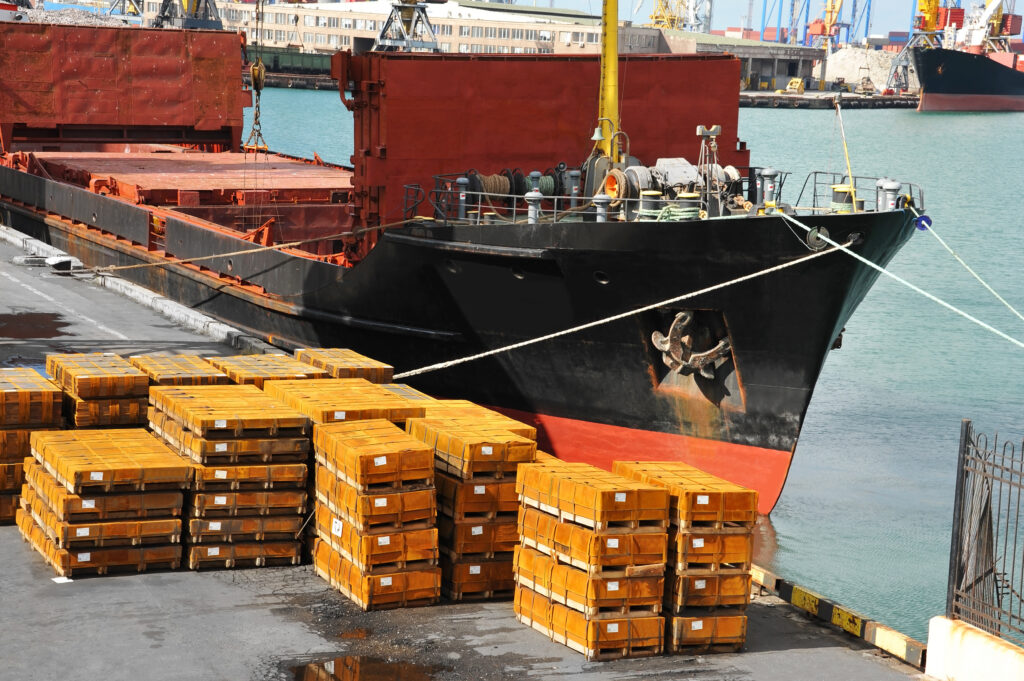
A shipping container may arrive at a port filled with products destined for multiple customers, distribution centers, or markets. However, the original container configuration isn’t always the most efficient way to move freight through the supply chain. That’s where break bulk and transloading create value. By breaking bulk at the right time and redistributing freight closer to demand, businesses can improve inventory flexibility, reduce costs, and create a more responsive shipping strategy.
Understanding Break Bulk and Transloading
Break bulk is the process of separating a large shipment into smaller, more targeted shipments. Transloading is the process of transferring freight from one mode of transportation to another, such as moving cargo from an ocean container into a domestic trailer for final delivery.
These two concepts often work together. During a transloading operation, imported freight can be broken down, sorted, consolidated, and redirected based on current inventory needs. Instead of sending an entire container to a single destination, businesses can position inventory where it is needed most.
Why Timing Matters
Traditionally, imported goods move directly from the port to a warehouse for storage. While this approach may seem straightforward, it often requires businesses to make inventory decisions before customer demand is fully understood.
By leveraging drayage and transloading services, companies can delay final distribution decisions until they have greater visibility into inventory requirements. As a result, products can be allocated to the right locations based on the latest demand forecasts rather than assumptions made weeks earlier.
For example, a retailer importing products through container shipping may not know which stores will need inventory several weeks in advance. Breaking bulk during a transloading operation allows products to be redistributed based on current sales trends and inventory levels before entering the domestic transportation network.
How Break Bulk Improves Inventory Flexibility
The primary advantage of breaking bulk is flexibility.
Rather than committing inventory to a single location, businesses can distribute products across multiple markets, customers, or distribution centers as demand evolves. Consequently, they can respond more effectively to seasonal peaks, promotional activity, and shifting customer requirements.
Breaking bulk and transloading can help businesses:
- Reduce inventory carrying costs
- Improve shipment visibility
- Increase speed to market
- Balance inventory across multiple locations
- Reduce stockouts and overstocks
- Improve supply chain agility
Supporting Smarter Global Shipping Strategies
As global shipping networks continue to evolve, businesses need more adaptable supply chain solutions. According to the World Shipping Council, container shipping moves the majority of global trade by volume, making efficient inventory management more important than ever. Breaking bulk during transloading creates a valuable decision point between international transportation and domestic delivery.
When combined with reliable drayage and transloading services, companies can move freight efficiently from ports and rail ramps while maintaining greater control over inventory flow. In addition, breaking bulk can improve trailer utilization, reduce unnecessary freight movements, and support more cost-effective shipping operations.
The Right Freight, in the Right Place, at the Right Time
Successful supply chain management is no longer just about moving freight. It’s about positioning inventory where it can create the most value. By strategically using break bulk and transloading services, businesses can transform container shipping arrivals into a flexible inventory strategy that supports faster, smarter, and more efficient shipping decisions.
The result is a more resilient supply chain, improved customer service, and greater control over inventory in today’s complex world of shipping and global shipping.