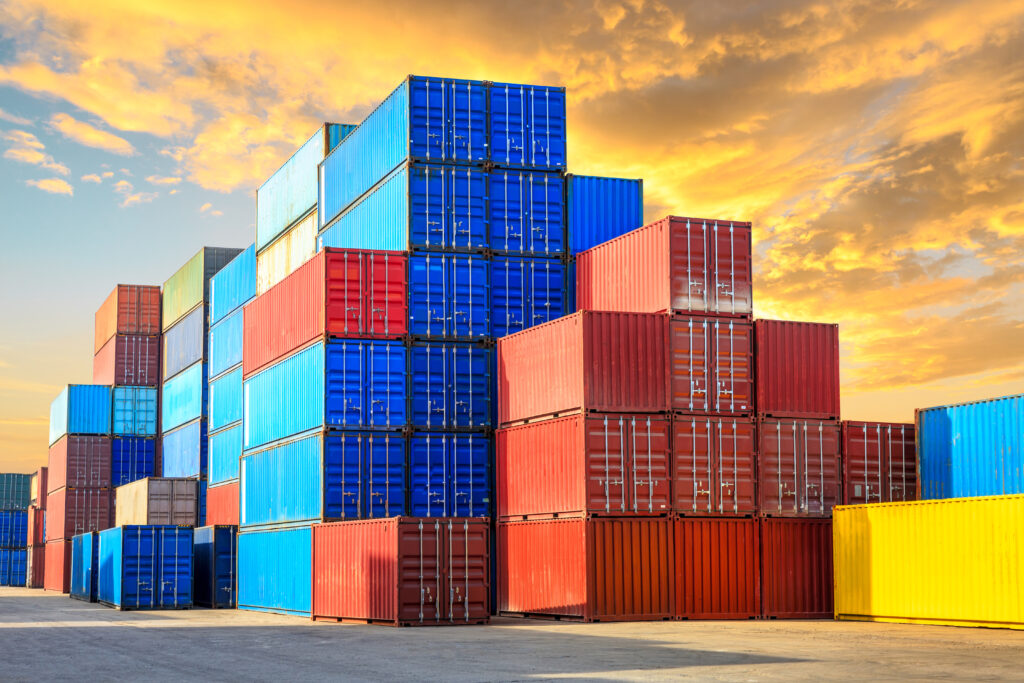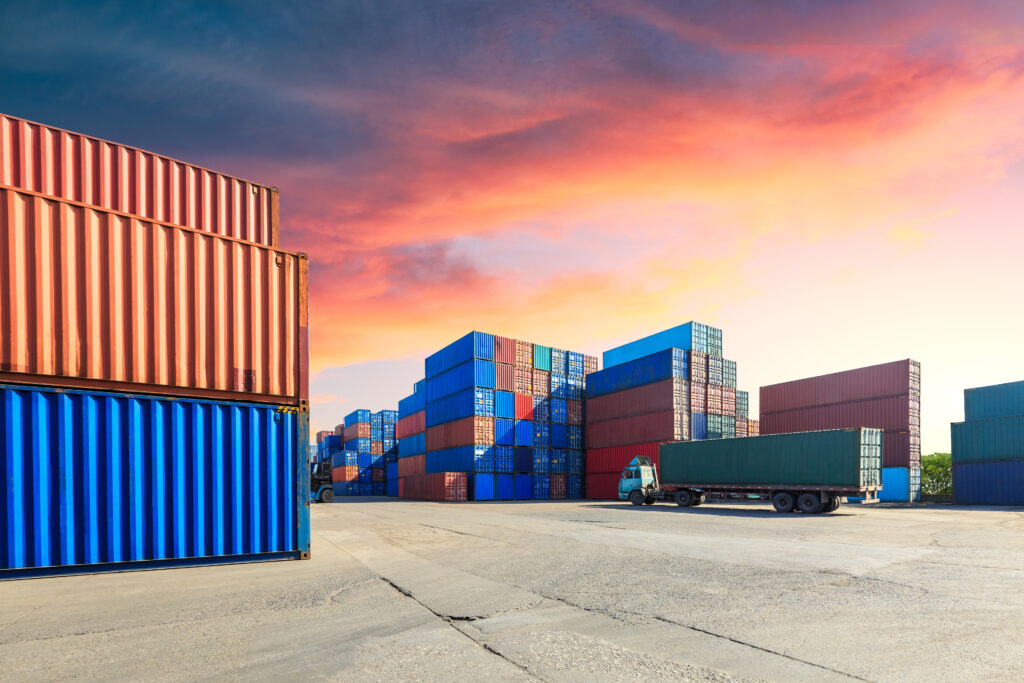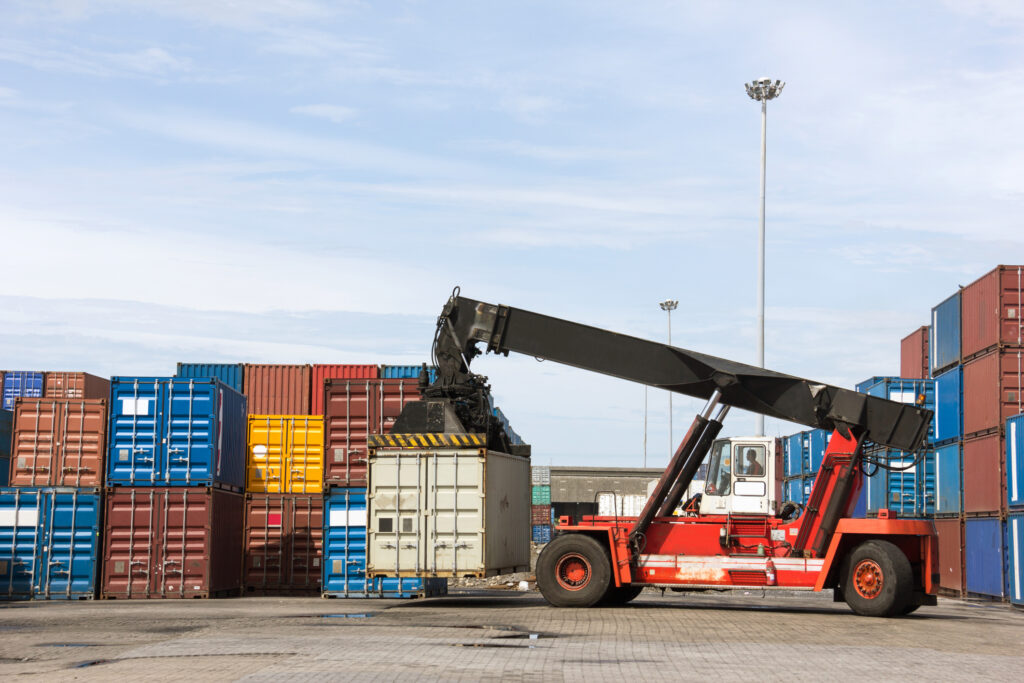
When a container arrives at the port, your responsibility is just beginning. While ocean transit often gets the spotlight, inland drayage and transloading ultimately determine whether freight arrives on time, intact, and ready for your customer. In today’s supply chains, delivery expectations are tighter than ever. As a result, the performance of your inland strategy directly affects your ability to keep promises.
Let’s explore how inland drayage influences delivery reliability and what businesses can do to stay ahead.
What Is Inland Drayage and Why It Matters
To begin, inland drayage refers to the short distance movement of freight from ports or rail terminals to nearby facilities such as warehouses or distribution centers.
Although it covers a relatively short distance, drayage is one of the most time sensitive phases of the supply chain. It serves as the connection between port arrival and inland distribution.
In many cases, this step acts as the first mile of the domestic journey. When delays occur here, they often cascade through the rest of the delivery process.
How Inland Drayage Impacts Delivery Commitments
Every Hour at the Port Matters
Once a shipment arrives, timing becomes critical.
Containers must be picked up quickly to avoid congestion and unnecessary fees. If drayage is delayed, freight remains idle at the terminal, increasing dwell time and creating a backlog that impacts delivery schedules. Dwell time is not just a delay metric, it represents how long freight sits idle and can lead to bottlenecks, added costs, and inefficiencies across the supply chain.
As a result, even small delays can push shipments outside of promised delivery windows and create challenges for both operations teams and customers.
Drayage Sets the Pace for the Entire Supply Chain
Next, consider how drayage affects everything that follows.
When containers move inland on schedule, downstream processes such as sorting, staging, and delivery can operate as planned. However, when drayage falls behind, every step that depends on it also slows down.
This connection means that reliable drayage is not just about transportation. It is about maintaining alignment across your entire supply chain.
Transloading Improves Speed and Flexibility
In addition, transloading plays a key role in improving delivery performance.
Transloading is the process of transferring freight from one mode of transportation to another, such as unloading ocean containers and reloading goods onto trucks or rail for inland movement.
By using transloading as part of your inland strategy, you can create more flexibility in how freight moves toward its final destination.
For example, shipments can be broken down and routed based on regional demand, allowing for more efficient delivery planning. This approach helps businesses respond to changing conditions without compromising delivery commitments.
On Time Pickup Drives On Time Delivery
Consistency is essential in logistics.
On time pickup is one of the most important drivers of overall delivery performance. When containers are retrieved promptly from the port, the rest of the supply chain can stay on track.
Simply put, when the first step runs smoothly, the final delivery is far more likely to meet expectations.
Visibility Reduces Risk
Finally, visibility plays an important role in protecting delivery commitments.
When drayage, transloading, and inland distribution are coordinated within a unified system, businesses gain a clearer view of their shipments. This allows teams to identify delays early, adjust plans, and maintain control over delivery timelines.
Without visibility, even minor disruptions can escalate into missed commitments. With it, companies can make informed decisions and keep freight moving efficiently.
The Bottom Line
Inland drayage is more than a short haul movement. It is the bridge between port arrival and customer delivery.
When executed effectively, it supports faster transit times, reduces delays, and strengthens supply chain reliability. When it is overlooked, it creates bottlenecks that impact the entire delivery process.
How to Strengthen Your Inland Drayage Strategy
To improve delivery performance, consider focusing on these key areas:
- Reduce container dwell time at the port
- Incorporate transloading to improve flexibility
- Align drayage with downstream delivery planning
- Work with partners who provide coordinated, end to end solutions
By taking these steps, businesses can turn inland drayage into a competitive advantage rather than a risk.