For many manufacturers and distributors, running a private fleet once made perfect sense. Owning trucks gave businesses more control over deliveries, customer service, and scheduling.
Today, however, transportation has become far more complicated.
Many companies now spend valuable time dealing with driver shortages, rising insurance costs, equipment maintenance, compliance regulations, and delivery disruptions. Without realizing it, they have become logistics companies instead of focusing on their actual business.
And that raises an important question:
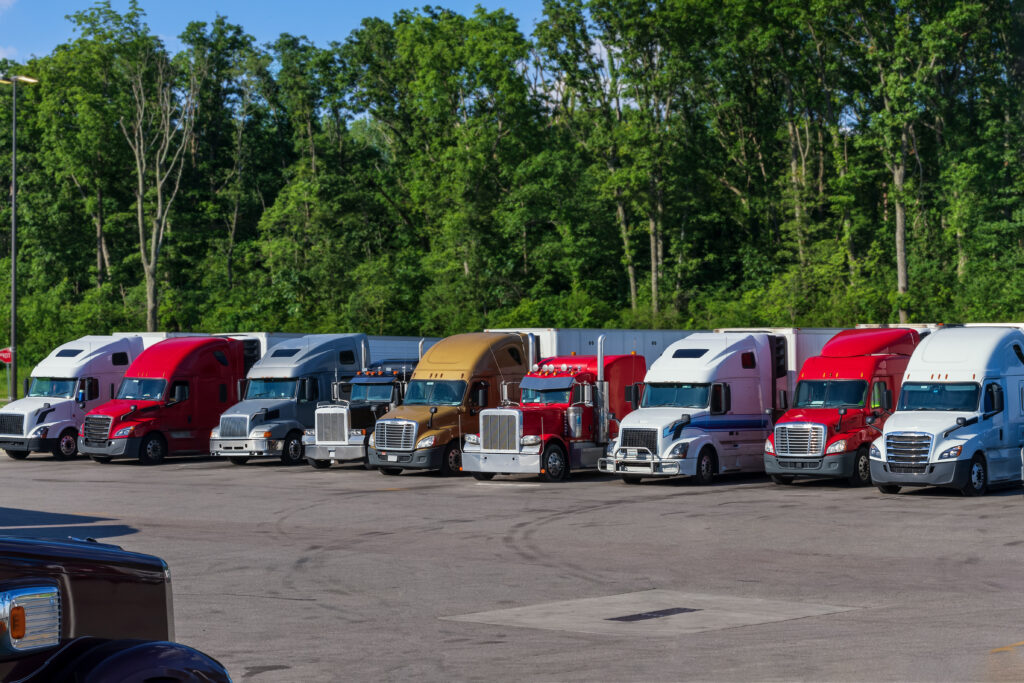
If you are not in the trucking business, why are you running one?
The Hidden Costs of Managing a Private Fleet
At first glance, private fleets can appear cost effective. Trucks are visible assets, and deliveries operate under your direct control.
However, the real costs go far beyond fuel and payroll.
Businesses managing private fleets also face:
- Driver recruitment and retention challenges
- Equipment purchases and repairs
- DOT compliance requirements
- Insurance liability exposure
- Administrative overhead
- Rising operating costs
- Downtime from breakdowns or staffing shortages
According to the American Trucking Associations, the driver shortage continues to impact fleets across the country, making recruiting and retention increasingly difficult.
As a result, many leadership teams spend more time solving transportation problems than driving business growth.
Transportation Is More Complex Than Ever
Customer expectations have changed dramatically over the past decade.
Today’s customers expect shipments to arrive:
- On time
- Damage free
- With full shipment visibility
- Supported by proactive communication
At the same time, transportation costs continue to rise while supply chain disruptions remain unpredictable.
For manufacturers and distributors, transportation is essential, but it is rarely the core mission of the business. A building products company wants to manufacture quality products. A food distributor wants shelves stocked. An industrial supplier wants to keep customers operating efficiently.
Very few companies want to operate a trucking business.
Yet many are doing exactly that.
Why More Companies Are Outsourcing Transportation
One of the biggest misconceptions about outsourcing transportation is that businesses lose control.
In reality, many companies gain flexibility, visibility, and consistency by partnering with an experienced third party logistics provider.
Instead of managing driver call offs, maintenance emergencies, and routing issues internally, businesses can focus on customer service, operations, and growth while transportation experts handle the complexities of freight movement.
Outsourcing transportation can also help businesses:
- Reduce operational complexity
- Improve delivery performance
- Increase scalability
- Minimize capital investment
- Improve supply chain visibility
- Strengthen damage free delivery performance
According to industry organizations like CSCMP and Inbound Logistics, outsourcing logistics operations can improve efficiency and help businesses scale more effectively.
Most importantly, outsourcing transforms transportation from a daily operational headache into a strategic advantage.
Your Brand Depends on Delivery Performance
Delivery performance is no longer just an operational metric. It is part of the customer experience.
Even one damaged shipment, missed delivery, or communication failure can impact customer relationships and future business opportunities.
That is why more manufacturers and distributors are reevaluating whether managing a private fleet internally still makes sense.
Because when transportation problems start distracting your team from core business priorities, the fleet may no longer be supporting growth. It may be limiting it.
Focus on What You Do Best
The most successful businesses understand they do not need to own every function to deliver exceptional service. They simply need the right partners.
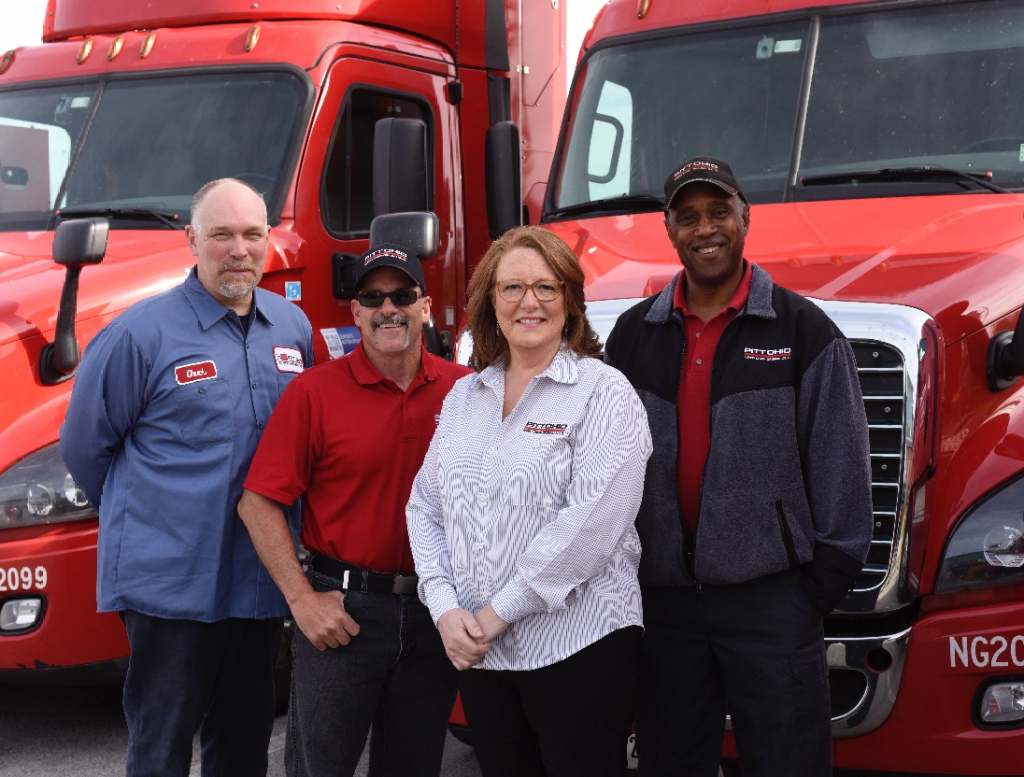
At PITT OHIO, we help manufacturers and distributors simplify transportation through scalable trucking solutions, dedicated fleet services, and supply chain optimization strategies.
Because your business should be defined by the products you make and the customers you serve, not by the trucks in your parking lot.