As temperatures begin to drop, many shippers focus on weather delays, road conditions, and transit times. However, one of the biggest winter shipping risks often goes unnoticed until it’s too late: freeze damage. So how do you know if your company should be considering LTL freeze protection for your shipments?
The truth is that not every shipment requires freeze protection. But if your supply chain includes products that can be damaged by cold temperatures, failing to prepare can lead to costly claims, unhappy customers, and operational disruptions. For manufacturers and distributors shipping freeze-sensitive LTL freight, winter planning is essential to protect products and maintain service reliability. According to the Federal Highway Administration’s (FHWA) Road Weather Management Program (RWMP), winter weather conditions can significantly impact freight transportation and supply chain performance.
Here are five warning signs that your supply chain may be more vulnerable than you realize.
1. You Ship Products That Need Freeze Protection Below 32°F
This may seem obvious, yet many businesses underestimate how many products are susceptible to freezing temperatures.
Some of the most common examples include:
- Adhesives and sealants
- Paints and coatings
- Specialty chemicals
- Cleaning solutions
- Personal care products
- Food ingredients and syrups
- Water-based products
When these products freeze, they can separate, thicken, lose effectiveness, or become unusable altogether.
If any of your products can be damaged by freezing temperatures, that’s the first sign your supply chain may need LTL freeze protection during the winter shipping season. A dedicated LTL freeze protection service helps safeguard vulnerable products as they move through a transportation network where exposure to cold temperatures can occur at multiple points in transit.
2. Your Customers Depend on Uninterrupted Deliveries
For many manufacturers and distributors, a damaged shipment is more than an inconvenience.
A delayed or unusable product can stop production lines, delay projects, create inventory shortages, and impact customer operations. As a result, the cost of a freeze-damaged shipment often extends far beyond the value of the freight itself.
If your customers rely on timely deliveries to keep their businesses running, LTL freeze protection becomes an important part of maintaining service reliability and customer satisfaction. Protecting temperature-sensitive LTL shipments from freezing conditions helps reduce the risk of product loss, emergency reshipments, and costly business disruptions.
3. You Ship Through Regions with Harsh Winter Weather
Many shippers focus on weather conditions at the point of origin and destination. However, freight doesn’t travel in a straight line.
Throughout transit, shipments may pass through multiple terminals, distribution centers, and weather systems. Even if conditions are mild at pickup, freight could encounter freezing temperatures elsewhere in the network.
If your shipments move through areas known for prolonged cold weather, snow, or sub-freezing temperatures, LTL freeze protection is worth serious consideration. Even short periods of exposure to extreme cold can result in freeze-damaged freight, creating unnecessary costs and delays for shippers.
4. A Single Shipment Failure Would Be Costly
Ask yourself a simple question:
“What would happen if one shipment froze tomorrow?”
For some companies, the answer is relatively minor.
For others, it could mean:
- Product replacement costs
- Expedited shipping expenses
- Production downtime
- Customer complaints
- Lost revenue
- Damaged business relationships
If the consequences of a freeze-damaged shipment would be significant, investing in LTL freeze protection services may be one of the most cost-effective decisions your business can make. The cost of preventing frozen freight is often far less than the financial and operational impact of replacing damaged products and restoring customer confidence.
5. You Don’t Have a Freeze Protection Plan for Winter Shipping
Perhaps the biggest warning sign of all is having no formal strategy for freeze-sensitive freight.
- Do your employees know which shipments require special handling?
- Are vulnerable products clearly identified before pickup?
- Do you have procedures in place when extreme cold weather is forecasted?
- Does your carrier offer a dedicated LTL freeze protection solution?
If these questions are difficult to answer, your organization may be exposed to unnecessary risk.
The companies that navigate winter most successfully aren’t the ones that react quickly after problems occur. They’re the ones that plan ahead before temperatures drop. A proactive winter LTL shipping strategy can help reduce risk, avoid claims, and keep products moving safely through the supply chain.
Why LTL Freeze Protection Matters Before Winter Arrives
Freeze damage is one of the most preventable risks facing shippers during the winter months. By identifying vulnerable products, understanding your risk exposure, and implementing a reliable LTL freeze protection strategy, you can help prevent costly disruptions before they occur.
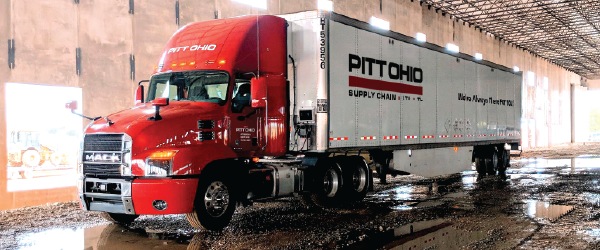
PITT OHIO’s Heat Track service is a comprehensive LTL freeze protection solution designed specifically for shippers of freeze-sensitive freight. Through weather monitoring, shipment visibility, specialized handling procedures, heated equipment, warm storage areas, blankets, and portable heaters, Heat Track helps protect products throughout every stage of the transportation process.
If one or more of these signs sounds familiar, now is the time to evaluate your LTL freeze protection needs before winter arrives. Because when temperatures fall, protecting your freight from freezing isn’t just good planning, it’s good business.
Learn more about PITT OHIO Heat Track and how LTL freeze protection can help protect your products, reduce risk, and keep your supply chain moving all winter long.