Winter weather creates challenges for every supply chain, but for some products, freezing temperatures can do more than cause delays, they can ruin an entire shipment. Whether you’re shipping chemicals, food ingredients, paints, or personal care products, freeze damage can lead to product loss, customer complaints, production disruptions, and costly claims. Understanding which products are most vulnerable is the first step toward protecting them, and with the right carrier and LTL Freeze Protection program, shippers can move sensitive freight throughout the winter with confidence.
Why Vulnerable Products Need LTL Freeze Protection
Many shippers assume that freeze damage only affects obvious items such as beverages or liquids. In reality, a wide range of products can suffer when temperatures drop below 32°F.
When liquids freeze, they expand. This expansion can break containers, alter product formulations, separate ingredients, or render products unusable. Even if packaging remains intact, the product itself may no longer meet quality standards.
As a result, manufacturers, distributors, and suppliers should evaluate their products before cold weather arrives and determine whether specialized LTL freeze protection is necessary.
Chemical Products and Adhesives
One of the most common categories of freeze-sensitive freight is industrial chemicals and adhesives.
Many adhesives, sealants, coatings, and water-based chemicals lose their effectiveness once frozen. In some cases, ingredients separate and cannot be restored. In others, the chemical composition changes permanently, making the product unsuitable for customer use.
This is especially critical for manufacturers whose customers depend on product consistency and performance. A freeze-damaged shipment can quickly lead to production downtime, rejected materials, and damaged customer relationships.
Paints, Coatings, and Construction Materials
Paints and coatings are particularly vulnerable to temperature fluctuations during transit.
When exposed to freezing conditions, paints may thicken, separate, curdle, or lose their ability to adhere properly. Water-based coatings are especially susceptible to damage, often resulting in costly waste and replacement shipments.
Similarly, certain construction materials, sealants, and finishing products may no longer perform as intended after freezing.
For suppliers serving contractors and construction projects, winter shipping requires careful planning and protection.
Food Ingredients and Beverage Products
Many food ingredients require protection from freezing, even when they are not considered refrigerated products.
Liquid sweeteners, flavorings, syrups, sauces, concentrates, and specialty ingredients can all be affected by freezing temperatures. Product separation, altered consistency, and packaging damage are common concerns.
The same is true for certain beverage products. Frozen containers can crack, burst, or leak, creating additional handling and sanitation issues.
For food manufacturers, maintaining product integrity during transit is essential for both quality and customer satisfaction.
Personal Care and Consumer Products
Many everyday products found in homes and retail stores are surprisingly susceptible to freeze damage.
Shampoos, lotions, soaps, cosmetics, cleaning products, and household liquids can separate or lose effectiveness when exposed to prolonged cold temperatures.
While these products may appear fine upon delivery, hidden freeze damage can create quality issues later, leading to returns and customer dissatisfaction.
Because of this, distributors often rely on freeze protection strategies throughout the winter shipping season.
Why Standard Transportation May Not Provide Adequate LTL Freeze Protection
Many carriers can move freight during the winter. However, not every carrier has a dedicated process for protecting freeze-sensitive products.
When temperatures drop, shippers should ask important questions:
- How will my freight be protected in transit?
- Are weather conditions continuously monitored?
- What happens when temperatures become extreme?
- Does the carrier have specialized equipment and handling procedures?
The answers can make the difference between a successful delivery and a damaged shipment.
How PITT OHIO Protects Freezable Freight
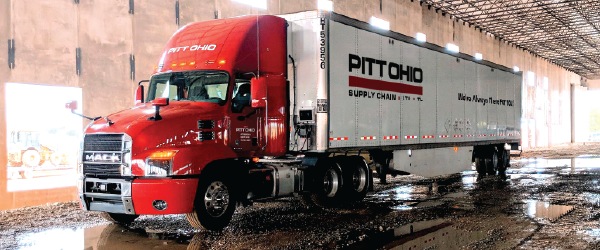
PITT OHIO’s Heat Track service is specifically designed to protect products susceptible to freezing during the winter months. The program utilizes a combination of heated trailers, blankets, portable heaters, warm storage areas, shipment monitoring technology, and weather-based handling procedures to safeguard vulnerable freight.
In addition, Heat Track shipments receive priority visibility within the PITT OHIO network, helping ensure freezable products receive the attention they require from pickup through delivery.
For manufacturers and distributors whose products cannot afford to freeze, this added layer of protection can provide valuable peace of mind throughout the winter shipping season.
Don’t Wait for the First Freeze
Unfortunately, many companies do not think about freeze protection until after a shipment has already been damaged. By then, the costs have already been incurred.
Now is the time to identify vulnerable products, review shipping procedures, and work with a carrier that understands the risks associated with cold weather transportation.
If your products could be damaged by freezing temperatures, PITT OHIO’s Heat Track service can help keep them protected from pickup to final delivery. Winter weather is unpredictable, but your freeze protection strategy doesn’t have to be.