Every winter, shippers face the same question: What happens if my freight freezes during transit? Unfortunately, many businesses don’t ask that question until after a shipment has already been damaged. By then, the costs are piling up, customers are frustrated, and operations are scrambling to recover. The reality is simple: when it comes to LTL freeze protection, the best LTL freeze protection strategy isn’t reacting to freeze damage. It’s preventing it from happening in the first place.
Whether you’re shipping chemicals, adhesives, paints, coatings, food ingredients, cleaning products, or personal care items, a proactive freeze protection plan can save your company time, money, and headaches all winter long.
The Best LTL Freeze Protection Problem with Waiting Until Temperatures Drop
It’s easy to get caught up in the day-to-day demands of running a supply chain. However, winter weather doesn’t always provide much warning.
One cold front, an unexpected overnight temperature drop, or a prolonged freeze event can expose vulnerable freight to damaging conditions. And once a product freezes, there is often no easy fix.
Products may separate, lose effectiveness, become unusable, or require complete replacement. As a result, a single freeze-damaged shipment can quickly create a ripple effect throughout the entire supply chain.
That’s why successful shippers plan ahead instead of taking chances.
What Does the Winter Forecast Mean for Your Freight?
Each year, many supply chain professionals turn to the Farmers’ Almanac for insight into upcoming winter weather conditions. Whether forecasts call for colder-than-normal temperatures, increased snowfall, or extended cold spells, one thing remains true: freeze-sensitive freight faces increased risk whenever temperatures approach or fall below 32°F.
That’s why proactive shippers use seasonal forecasts as a planning tool, evaluating products that could freeze and implementing LTL freeze protection strategies before winter weather impacts operations.
According to the Farmers’ Almanac winter forecast, businesses should begin evaluating freeze protection shipping solutions before the start of the cold weather season.
Prevention Is Less Expensive Than Recovery
Think about the true cost of a freeze-damaged shipment.
First, there is the value of the lost product. Next comes the replacement shipment. Then there are customer service costs, potential production delays, inventory shortages, and expedited transportation expenses.
In some cases, the biggest impact isn’t financial at all. It is the strain placed on customer relationships.
Customers depend on reliable deliveries to keep their own operations moving. When a shipment arrives damaged, your customer may not care whether the problem occurred in a warehouse, on a trailer, or because of unexpected weather. They simply know they didn’t receive a usable product.
Preventing freeze damage is almost always less costly than recovering from it.
Not Every Product Needs the Best LTL Freeze Protection. But Many Do.
One common misconception is that freeze protection is only necessary for a small group of products.
In reality, a wide variety of commodities can be affected by freezing temperatures, including:
- Adhesives and sealants
- Paints and coatings
- Specialty chemicals
- Water-based products
- Food ingredients
- Cleaning solutions
- Personal care products
- Liquid consumer goods
If a product can lose quality, consistency, or usability when temperatures drop below freezing, it deserves a closer look before winter arrives.
The Best LTL Freeze Protection Plan Starts with Visibility
Effective winter shipping begins with understanding your risk.
Ask yourself:
- Which products are susceptible to freezing?
- How are those shipments identified before pickup?
- What procedures are in place when severe weather develops?
- Does your carrier offer specialized LTL freeze protection?
The more visibility you have into your freight and potential risks, the better positioned you’ll be to prevent problems before they occur.
Your Carrier Plays a Critical Role
Even the best internal planning can only go so far if your transportation provider isn’t equipped to manage freeze-sensitive shipments.
Not all carriers offer the same level of protection during the winter months. That’s why it’s important to partner with a carrier that has established freeze protection procedures, weather monitoring capabilities, and the resources needed to safeguard vulnerable freight.
When evaluating transportation providers, look beyond the price of the shipment. Consider the carrier’s ability to help you avoid the much larger costs associated with freeze damage.
How PITT OHIO Helps Shippers Prevent Freeze Damage
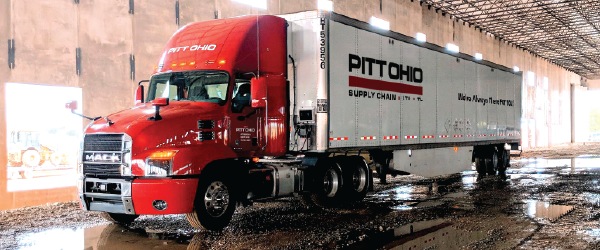
At PITT OHIO, prevention is the foundation of our Heat Track freeze protection service. Heat Track is designed to help protect freeze-sensitive freight through a combination of shipment monitoring, weather awareness, specialized handling procedures, heated equipment, warm storage areas, blankets, and portable heaters.
Rather than reacting after damage occurs, Heat Track focuses on helping prevent freight from freezing in the first place. Heat Track shipments also receive enhanced visibility within the PITT OHIO network, helping ensure sensitive products receive the attention they require from pickup through delivery.
Don’t Let Winter Catch You Off Guard
Winter shipping challenges are unavoidable. Freeze damage doesn’t have to be.
The most successful shippers understand that protecting freight begins long before temperatures reach 32°F. By identifying vulnerable products, developing a proactive shipping plan, and partnering with the best LTL freeze protection provider, you can reduce risk and keep your supply chain moving smoothly all season long.
Because when it comes to winter shipping, the best freeze protection strategy has always been the same: prevention.