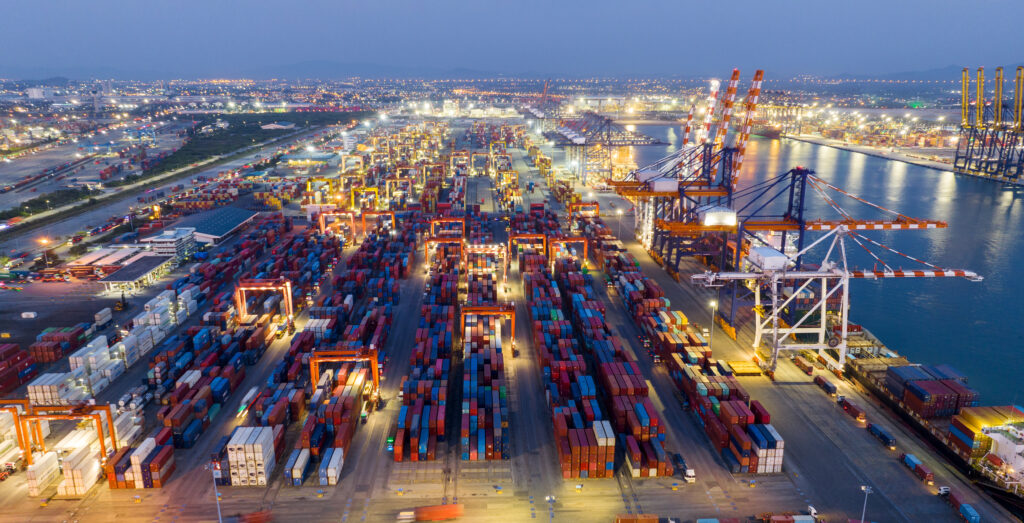
For international shippers, global trade opens the door to new markets, customers, and growth opportunities. However, before freight can reach its final destination, it must successfully pass through customs clearance. From documentation requirements to country-specific regulations, customs can quickly become one of the most complex parts of the shipping process.
The good news? Most customs delays and disruptions are preventable. By understanding common customs clearance challenges and planning ahead, international shippers can keep freight moving smoothly, reduce costly setbacks, and deliver a better experience for their customers.
Here are the top five customs clearance challenges and practical strategies to overcome them.
1. Incomplete or Inaccurate Documentation for International Shippers
One of the most common reasons shipments are delayed at customs is missing, incomplete, or inaccurate documentation. Even a small error on a commercial invoice, packing list, or certificate of origin can trigger inspections, delays, or additional fees.
Common documentation mistakes include:
- Incorrect product descriptions
- Missing shipment values
- Inconsistent information across documents
- Missing certificates or permits
How to Overcome It
First and foremost, establish a standardized documentation review process. Double-check all paperwork before a shipment leaves your facility. In addition, work closely with your logistics provider or customs broker to verify documentation requirements for each destination country.
A proactive review can help prevent customs delays and ensure a smoother import or export process.
2. Incorrect Tariff Classification
Every product shipped internationally must be assigned a Harmonized System (HS) code. These codes determine applicable duties, taxes, and regulatory requirements.
Unfortunately, tariff classification isn’t always straightforward. Similar products may fall under different classifications, and an incorrect HS code can result in overpayment of duties, customs penalties, or shipment holds.
How to Overcome It
Take time to carefully classify products using detailed specifications and product descriptions. Furthermore, consult customs experts or brokers when shipping new products or entering new markets.
Regularly reviewing your product classifications can also help ensure compliance as customs regulations evolve over time.
3. Unexpected Duties, Taxes, and Fees
Nothing disrupts a supply chain faster than unexpected costs. Import duties, value-added taxes (VAT), excise taxes, and other customs fees can significantly impact the total landed cost of a shipment.
Without proper planning, businesses may face budget overruns and frustrated customers.
How to Overcome It
To avoid surprises, calculate landed costs before shipping. This includes transportation charges, duties, taxes, brokerage fees, and any additional regulatory costs.
Additionally, stay informed about trade agreements and preferential duty programs that may reduce costs. Leveraging available agreements can create substantial savings while improving overall supply chain efficiency.
4. Changing Customs Regulations for International Shippers
International trade regulations are constantly evolving. Governments regularly update import requirements, security regulations, restricted commodity lists, and trade policies.
As a result, businesses that fail to stay current may encounter compliance issues or shipment delays.
How to Overcome It
A strong compliance strategy starts with staying informed. Subscribe to regulatory updates, maintain communication with customs professionals, and regularly review trade compliance policies.
Moreover, partnering with an experienced logistics provider can help businesses navigate changing regulations and adapt quickly to new requirements.
Being proactive rather than reactive can significantly reduce customs-related disruptions.
5. Customs Inspections and Shipment Delays for International Shippers
Even when documentation is accurate, shipments may still be selected for customs examination. Random inspections, security screenings, and regulatory reviews are a routine part of international trade.
While some inspections are unavoidable, they can cause delivery delays and disrupt supply chain schedules.
How to Overcome It
Preparation is key. Ensure shipments are accurately declared, properly packaged, and supported by complete documentation.
Furthermore, build realistic transit timelines that account for potential customs reviews. Businesses that incorporate flexibility into their supply chain planning are better equipped to manage unexpected delays without impacting customers.
Working with an experienced customs broker can also help expedite communication and resolution if issues arise.
The Path to Smoother Customs Clearance for International Shippers
Customs clearance doesn’t have to be a roadblock to international shipping success. By addressing common challenges such as documentation errors, tariff classification issues, unexpected duties, regulatory changes, and customs inspections, businesses can reduce risk and improve supply chain performance.
Ultimately, successful customs clearance comes down to preparation, compliance, and expert guidance. With the right processes and partners in place, companies can navigate the complexities of global trade with confidence, keep freight moving efficiently, and deliver a better experience for customers around the world.
Need help simplifying international shipping and customs clearance? Partnering with experienced transportation and logistics professionals like PITT OHIO can help ensure your imports and exports move across borders smoothly, compliantly, and on time. Check out this Ultimate Guide to Choosing the Right Freight Forwarder for Your Business.