Global supply chains depend on smooth connections between ships, ports, rail ramps, warehouses, and final destinations. Yet one of the most important links in that chain is often one of the least understood: drayage.
While it may represent only a short portion of a shipment’s journey, drayage can have a significant impact on transit times, costs, and overall supply chain performance. In fact, many container delays, unexpected fees, and customer frustrations can often be traced back to poor drayage planning.
The good news is that with the right preparation, shippers can avoid common pitfalls and keep freight moving efficiently. Before your next container arrives at the port, here’s what you need to know about drayage and why it matters.
What Is Drayage?
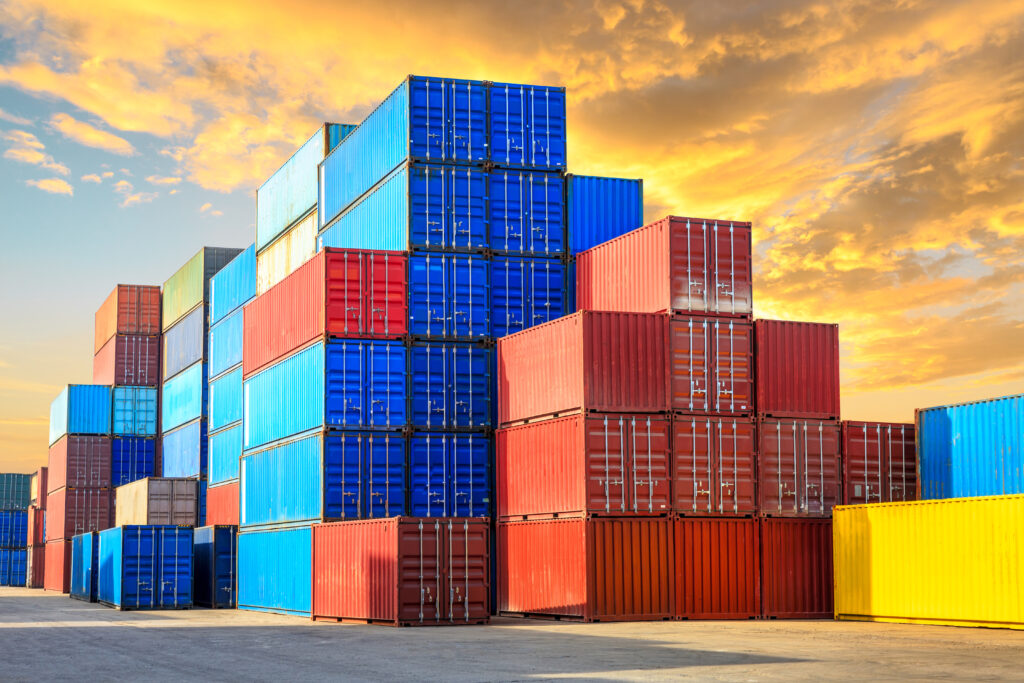
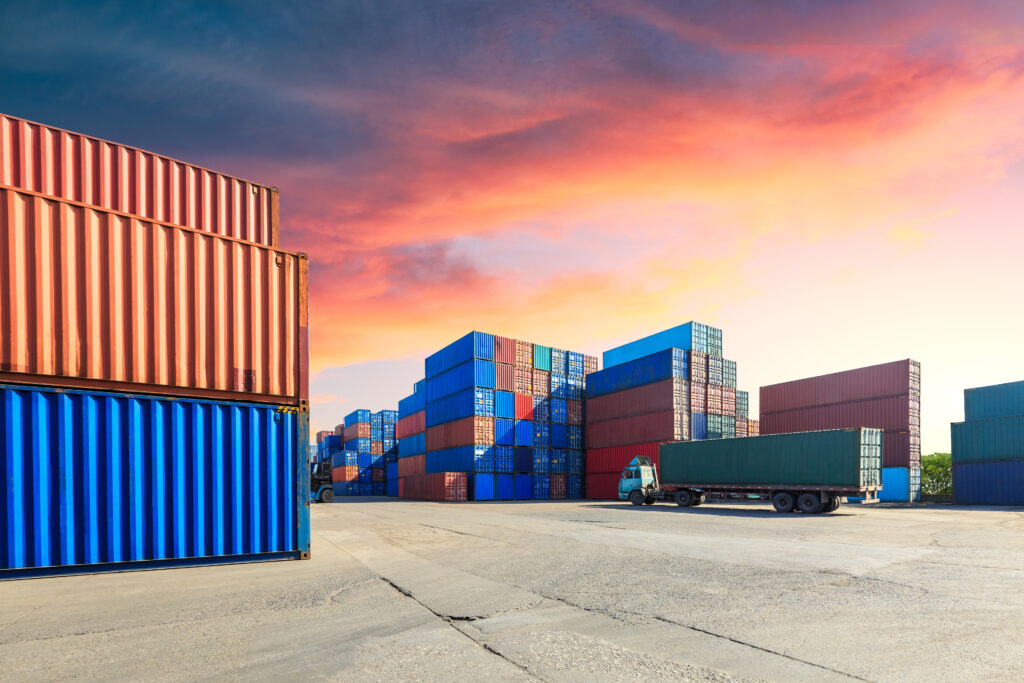
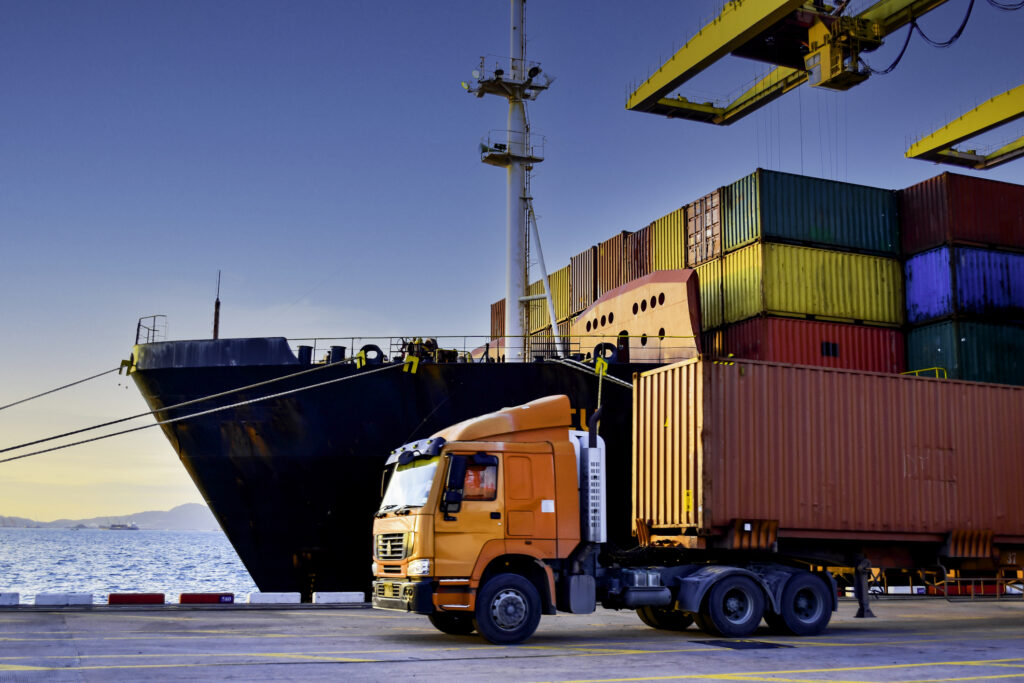
Simply put, drayage is the transportation of shipping containers over short distances, typically between ports, rail terminals, warehouses, distribution centers, or customer facilities.
Think of drayage as the critical bridge between major transportation modes. A container may travel thousands of miles across the ocean, but it still needs a truck to move it from the port to its next destination.
Without effective drayage services, international and domestic containerized freight would sit idle, creating bottlenecks throughout the supply chain.
Why Drayage Is More Important Than Ever
As global trade continues to evolve, ports are handling larger vessel volumes and more containers than ever before. At the same time, labor shortages, congestion, weather disruptions, and equipment availability challenges can all impact freight movement.
As a result, drayage has become a strategic component of supply chain management rather than just a transportation service.
Today’s shippers need visibility, flexibility, and reliable capacity to ensure containers are picked up and delivered on time. A delay of even a day or two can create downstream disruptions that impact production schedules, inventory levels, and customer satisfaction.
That’s why successful shippers place just as much emphasis on drayage planning as they do ocean transportation.
5 Things Every Shipper Should Know Before Containers Reach the Port
1. Free Time Doesn’t Last Forever
One of the most expensive mistakes shippers make is failing to understand free time allowances.
Ports and terminals typically provide a limited number of days for containers to be picked up after arrival. If a container remains at the terminal beyond that window, demurrage charges may apply. Likewise, detention fees can occur when equipment isn’t returned within required timeframes.
These charges can add up quickly.
To avoid unnecessary costs, shippers should coordinate transportation, warehouse receiving appointments, and documentation requirements well before containers arrive.
2. Visibility Is Essential
You can’t effectively manage what you can’t see.
Container arrival times can change due to weather, port congestion, customs clearance delays, or vessel schedule adjustments. Consequently, real-time shipment visibility is critical for successful drayage planning.
Working with a logistics provider that offers container tracking and proactive communication helps shippers make informed decisions and respond quickly when disruptions occur.
The earlier potential issues are identified, the easier they are to solve.
3. Port Congestion Can Affect Delivery Schedules
Many shippers assume that once a vessel arrives, their freight will immediately be available for pickup. Unfortunately, that’s not always the case.
Busy ports can experience congestion that slows container availability and gate operations. Additionally, chassis shortages or labor constraints can further impact timelines.
Therefore, businesses should build flexibility into their transportation plans and maintain open communication with logistics partners to minimize surprises.
A little contingency planning can go a long way.
4. Documentation Matters More Than You Think
Even if a container is physically ready for pickup, missing or inaccurate paperwork can stop freight from moving.
Documents such as bills of lading, customs clearance paperwork, delivery orders, and release notifications all play an important role in the drayage process.
For this reason, shippers should ensure documentation is complete and submitted on time. Proactive document management helps prevent delays and keeps containers moving through the supply chain efficiently.
5. The Right Drayage Partner Makes a Difference
Not all drayage providers offer the same capabilities.
Experienced drayage providers like PITT OHIO understand port operations, equipment availability, local regulations, appointment scheduling, and container management. More importantly, they can proactively identify potential issues before they become costly problems.
A strong drayage partner can help improve transit reliability, reduce detention and demurrage expenses, and provide the visibility needed to keep freight moving.
Turning Drayage Into a Competitive Advantage
For many shippers, drayage is viewed as just another step in the transportation process. However, organizations that take a proactive approach often discover it can become a competitive advantage.
By understanding free time requirements, monitoring container visibility, preparing documentation, planning for port congestion, and partnering with experienced providers, businesses can reduce costs and improve supply chain performance.
Ultimately, successful drayage isn’t simply about moving containers from point A to point B. It’s about creating a seamless connection between transportation modes that keeps freight flowing efficiently from port to customer.
The better prepared you are before containers hit the port, the smoother your entire supply chain will be.