When most shippers think about freeze damage, they focus on the obvious cost: replacing the product. While that expense can be significant, it is often only the beginning. The true cost of frozen LTL freight extends far beyond the value of the shipment itself, creating ripple effects throughout the entire supply chain.
From production delays and customer dissatisfaction to expedited replacement shipments and lost revenue, a single freeze-damaged LTL shipment can quickly become a much larger business problem. That’s why more shippers are investing in LTL freeze protection services before winter weather strikes.
The First Frozen LTL Freight Cost: Lost or Damaged Product
The most immediate consequence of frozen freight is product damage.
Many commodities are vulnerable to freezing temperatures, including adhesives, paints, coatings, chemicals, food ingredients, cleaning products, personal care items, and other liquid-based products. Once frozen, these products can separate, lose effectiveness, change consistency, or become completely unusable.
Replacing damaged freight is costly enough. However, the financial impact rarely stops there.
The Hidden Costs of Frozen LTL Freight Add Up Quickly
A freeze-damaged shipment often creates a chain reaction throughout the supply chain.
For manufacturers, damaged materials may halt production schedules. For distributors, inventory shortages can prevent customer orders from being fulfilled on time. For retailers, missing products can result in empty shelves and dissatisfied customers.
Suddenly, what started as a damaged shipment becomes a business disruption.
Additional costs may include:
- Expedited replacement shipments
- Increased labor costs
- Production downtime
- Customer service resources
- Inventory shortages
- Lost sales opportunities
- Administrative claim processing
In many cases, these indirect costs can far exceed the value of the original shipment.
Customer Relationships Are on the Line
The most expensive consequence may be one that never appears on an invoice.
Today’s customers expect reliability. When a shipment arrives damaged due to freezing temperatures, they often don’t distinguish between a carrier failure and a supplier failure. They simply know their product didn’t arrive in usable condition.
That’s why protecting freight is about more than avoiding claims. It’s about protecting your reputation.
Winter Shipping Risks Are Often Underestimated
Many shippers assume that freight only needs protection while it’s traveling down the highway. In reality, exposure can occur at multiple points during transit.
Freight may encounter freezing temperatures during pickup, terminal handling, linehaul movement, temporary storage, or final delivery. Even short periods of exposure can create risks for freeze-sensitive products.
As winter weather becomes more unpredictable, relying on standard transportation practices may not provide the level of protection sensitive freight requires.
Why Frozen LTL Freight Protection Matters
Not all carriers approach winter shipping the same way.
A dedicated LTL freeze protection program provides specialized handling procedures designed to safeguard vulnerable products when temperatures fall below freezing.
When evaluating a freeze protection provider, shippers should look for:
- Weather monitoring capabilities
- Shipment visibility and tracking
- Dedicated handling procedures
- Heated equipment when necessary
- Warm storage areas
- Proven experience handling freeze-sensitive freight
The goal is simple: prevent costly damage before it occurs.
Protect Your Freight with PITT OHIO Heat Track
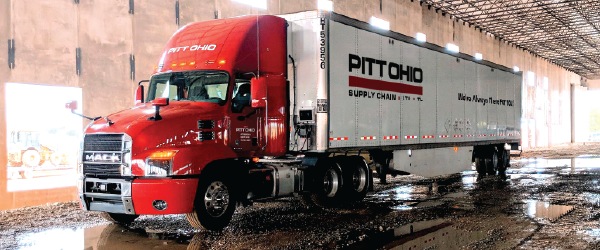
PITT OHIO’s Heat Track service was designed specifically to help shippers protect freeze-sensitive freight throughout the winter shipping season. The program uses a combination of heated trailers, warm storage areas, blankets, portable heaters, shipment monitoring technology, and weather-based handling procedures to help reduce the risk of freeze damage.
In addition, Heat Track shipments receive enhanced visibility within the PITT OHIO network so sensitive products can receive the attention they need from pickup through delivery.
The Best Freeze Protection Strategy Is Prevention
The cost of frozen LTL freight isn’t measured solely by damaged product. It’s measured by delayed operations, disrupted customer relationships, lost revenue, and the resources required to recover from the disruption.
For shippers moving freeze-sensitive products, investing in LTL freeze protection is often far less expensive than dealing with the consequences of a damaged shipment.
This winter, don’t wait until the first claim arrives to evaluate your risk. Protect your freight, your customers, and your reputation with a proven freeze protection solution like PITT OHIO Heat Track.