Supply chain leaders are under increasing pressure to do more with less. Transportation costs remain volatile, inventory carrying costs continue to rise, and customers expect faster delivery than ever before. As a result, many importers are looking for new ways to improve efficiency while controlling expenses. One strategy gaining momentum is transloading.
Once viewed as a niche logistics service, transloading is becoming an important part of modern import logistics. Today, businesses are using transloading services to improve container utilization, optimize transportation modes, position inventory closer to customers, and ultimately reduce freight costs.
What Is Transloading?
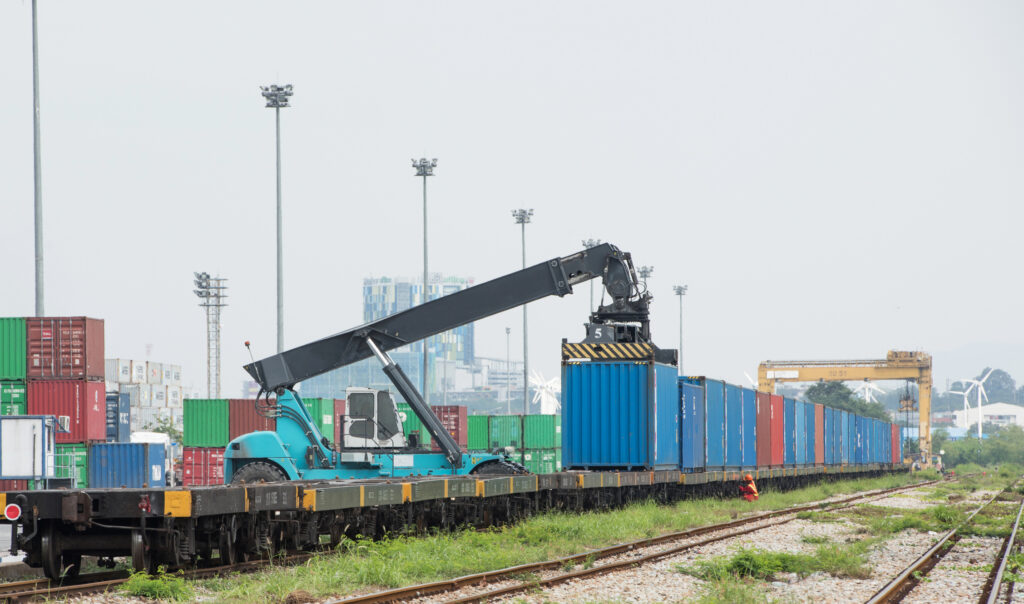
Transloading is the process of transferring freight from one mode of transportation to another. In most import scenarios, cargo is unloaded from an ocean container at a transloading warehouse and then reloaded onto domestic trailers, railcars, or other transportation equipment for inland distribution.
At first glance, adding another step to the supply chain may seem counterintuitive. However, when done strategically, transloading often improves efficiency and lowers overall transportation costs.
Simply put, transloading helps freight move smarter.
Better Container Utilization Creates Immediate Savings
One of the biggest benefits of transloading is improved container utilization.
Many ocean containers arrive at ports carrying products destined for multiple locations. Without transloading, those containers may travel long distances inland before freight is separated and distributed.
With transloading, importers can unload containers closer to the port and quickly sort freight for multiple destinations.
As a result, businesses often reduce unnecessary transportation miles, improve trailer utilization, and lower overall shipping expenses.
For high-volume importers, even small efficiency gains can lead to significant annual savings.
Rail vs. Truck Economics Matter More Than Ever
Rising transportation costs have forced many shippers to reevaluate how freight moves through their networks.
This is where transloading can provide a strategic advantage.
By leveraging a transloading warehouse, companies can transfer freight from ocean containers into domestic trailers or rail equipment based on what makes the most economic sense. According to the Association of American Railroads, rail transportation can provide significant efficiencies for long-haul freight movements.
For example, freight moving long distances may benefit from rail transportation, while regional shipments may be better suited for truck delivery.
Instead of relying on a one-size-fits-all transportation strategy, importers gain flexibility to choose the most cost-effective option for each shipment.
The result is often lower transportation costs and better supply chain performance.
Smarter Inventory Positioning Improves Service
Managing inventory is not just about having enough product. It is also about having inventory in the right location.
Transloading helps businesses position inventory closer to key markets and customer demand centers.
Rather than moving freight from a port directly to a single warehouse location, companies can strategically distribute inventory across multiple facilities.
This approach helps reduce transit times, improve service levels, and support faster order fulfillment.
For decision-makers, this creates an important balance between cost control and customer satisfaction.
Distribution Efficiency Is Becoming a Competitive Advantage
In today’s market, supply chains are often judged by speed, reliability, and flexibility.
Transloading supports all three.
A well-designed transloading operation can help reduce congestion at distribution centers, improve freight flow, and create greater flexibility when market conditions change.
It also allows businesses to respond more quickly to disruptions, demand shifts, and transportation challenges. The Council of Supply Chain Management Professionals (CSCMP) regularly identifies network flexibility and supply chain resilience as key priorities for supply chain leaders.
This is particularly valuable as importers continue to navigate changing trade patterns, evolving customer expectations, and ongoing uncertainty throughout global supply chains.
Why More Shippers Are Investing in Transloading Services
The growing popularity of transloading services comes down to one simple reality: businesses are constantly looking for ways to reduce freight costs while improving operational performance.
Transloading helps accomplish both objectives.
By improving container utilization, optimizing rail and truck transportation, enhancing inventory positioning, and increasing distribution efficiency, transloading has become much more than a warehouse service. It has become a strategic supply chain tool.
For importers focused on cost control, operational agility, and long-term growth, transloading is no longer just an option. Increasingly, it is becoming a competitive advantage.