For years, the U.S. de minimis rule helped businesses import low-value goods quickly and with fewer customs requirements. However, recent changes have altered the way many shipments enter the country, creating new challenges for importers, exporters, e-commerce companies, and supply chain professionals. Recent policy changes have narrowed or removed de minimis treatment for many shipments, requiring more formal customs processing and duty payments.
As a result, companies that rely on international shipping must understand what these changes mean and how they could affect sourcing, costs, and logistics planning.
What Is the De Minimis Rule?
The de minimis rule historically allowed shipments valued at $800 or less to enter the United States without formal customs entry procedures or duty payments. The policy was designed to simplify the movement of low-value goods and reduce administrative costs for both businesses and customs agencies.
Over time, the rule became a major driver of cross-border e-commerce. Many online retailers and importers used de minimis shipments to move products directly to consumers while avoiding some of the costs and paperwork associated with traditional imports.
Today, however, that environment is changing.
Why the De Minimis Rule Is Changing
Trade policy, customs enforcement, and concerns about tariff avoidance have led to significant changes in how low-value shipments are treated. In recent years, policymakers have focused on increasing oversight of imported goods and ensuring that more shipments receive full customs review.
As a result, many shipments that previously qualified for simplified entry may now require additional documentation, customs declarations, and duty payments. For businesses accustomed to operating under the previous rules, this can create unexpected costs and compliance obligations.
How Importers Are Being Impacted
The most immediate impact is cost.
When shipments lose de minimis eligibility, businesses may face import duties, customs brokerage fees, and additional administrative expenses. What was once a simple shipment can quickly become more complex and more expensive.
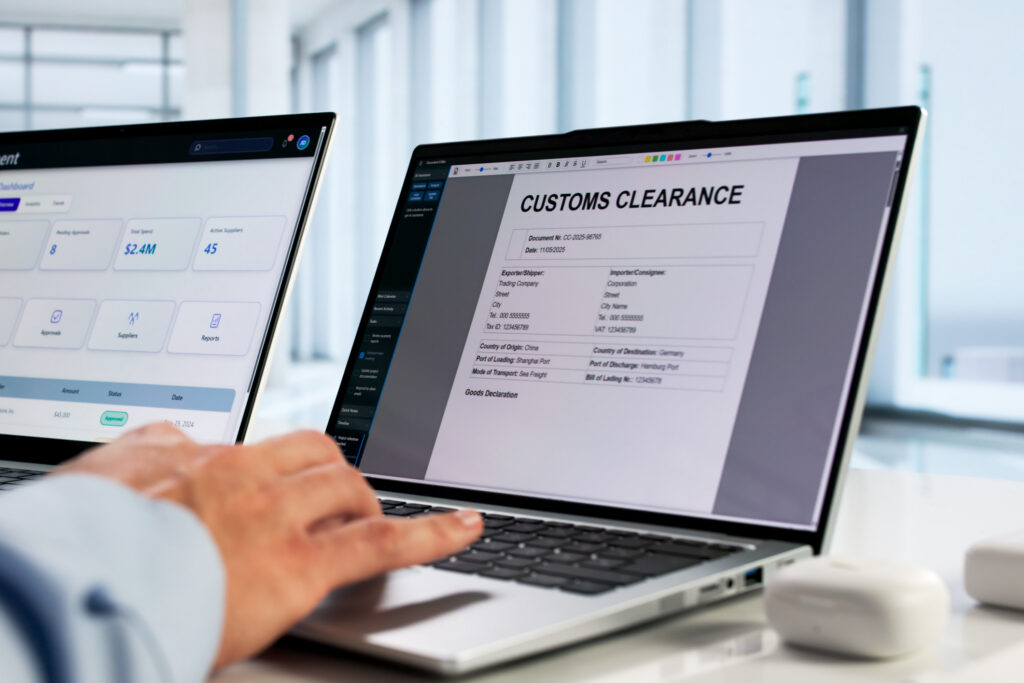
At the same time, customs compliance becomes increasingly important. Importers must ensure product classifications, country-of-origin information, and supporting documentation are accurate and complete. Errors or inconsistencies can create delays and increase the risk of enforcement actions.
For companies operating in fast-moving markets, these changes can also affect inventory planning. Longer customs processes and additional documentation requirements may require businesses to adjust lead times and rethink how they manage safety stock.
E-Commerce Businesses Face New Challenges
Few sectors are feeling the impact more than e-commerce.
Consumer expectations for fast, affordable delivery have not changed. However, the economics behind many international e-commerce shipments are evolving. Companies that once relied on low-value direct-to-consumer imports may need to revisit pricing strategies, fulfillment networks, and inventory placement.
In some cases, businesses are exploring alternative distribution models, including bulk imports followed by domestic fulfillment. Others are evaluating new sourcing locations or transportation strategies to help control costs.
What Importers Should Do Now About the De Minimis Rule
Rather than waiting for disruptions, businesses should take a proactive approach.
Start by reviewing your current import profile. Identify products, suppliers, and shipping lanes that may be affected by changes to de minimis treatment. Next, evaluate the potential impact on landed cost, transit time, and customer service.
It is also important to strengthen customs compliance processes. Accurate documentation, proper product classification, and ongoing supplier reviews can help reduce risk and prevent costly delays. Strong recordkeeping and regular compliance reviews are becoming essential components of international trade management.
Finally, companies should work closely with experienced logistics and freight forwarding partners who understand changing customs requirements and international shipping regulations.
The end of broad de minimis rule eligibility represents a significant shift in global trade and international shipping. While the changes may increase costs and complexity for some businesses, they also create an opportunity to build stronger, more resilient supply chains.
Companies that understand the evolving rules, invest in compliance, and plan ahead will be better positioned to adapt. In a world where trade regulations continue to change, preparation and visibility remain two of the most valuable tools an importer can have.